
Cebu Kurassic Journal
Bohol, Part 4
Panglao Island
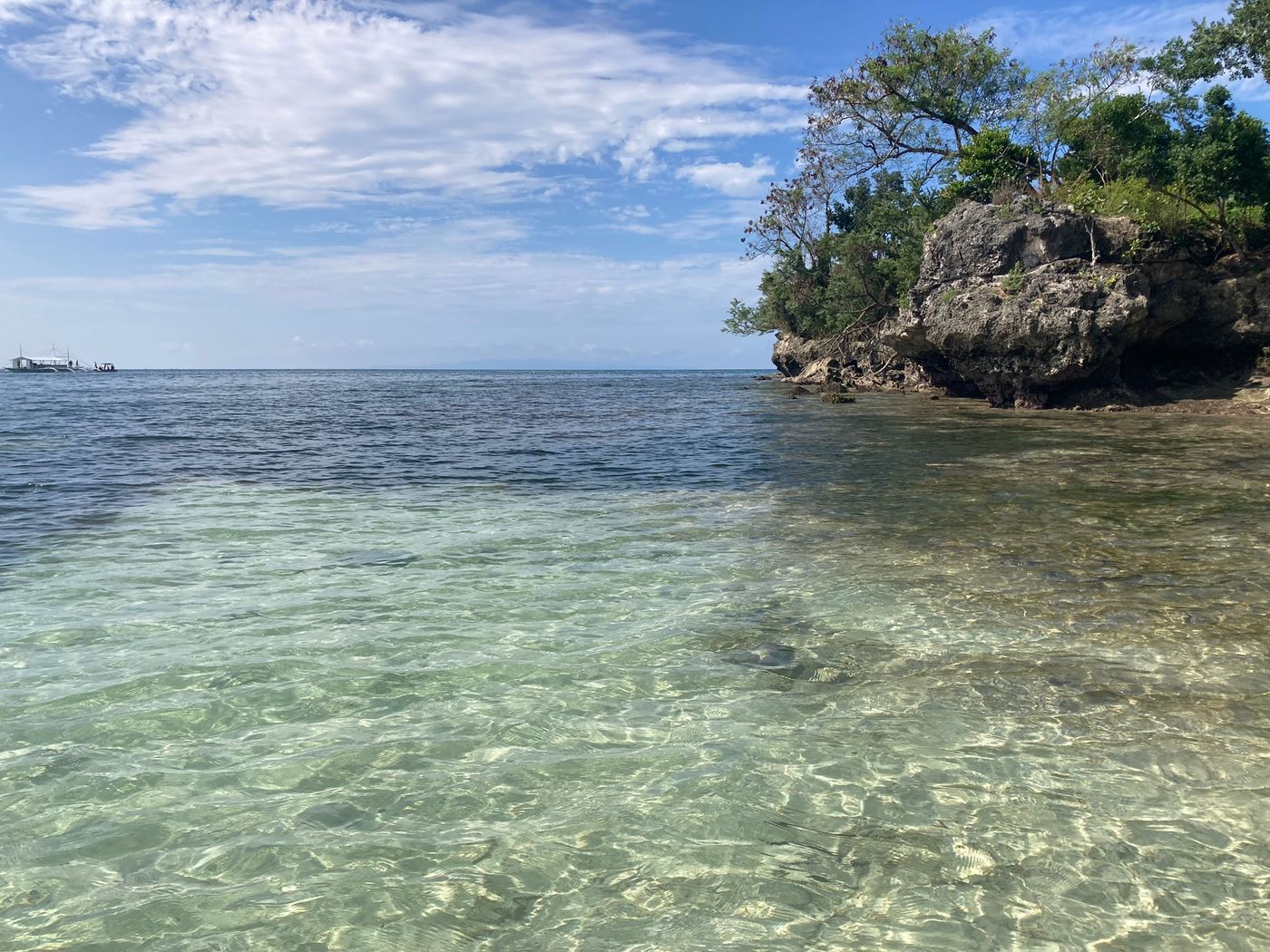
Panglao is the small island tucked up against the side of Bohol. This time, it’s all about enjoying the sea there.
From Pier 1 to Tagbilaran by Boat
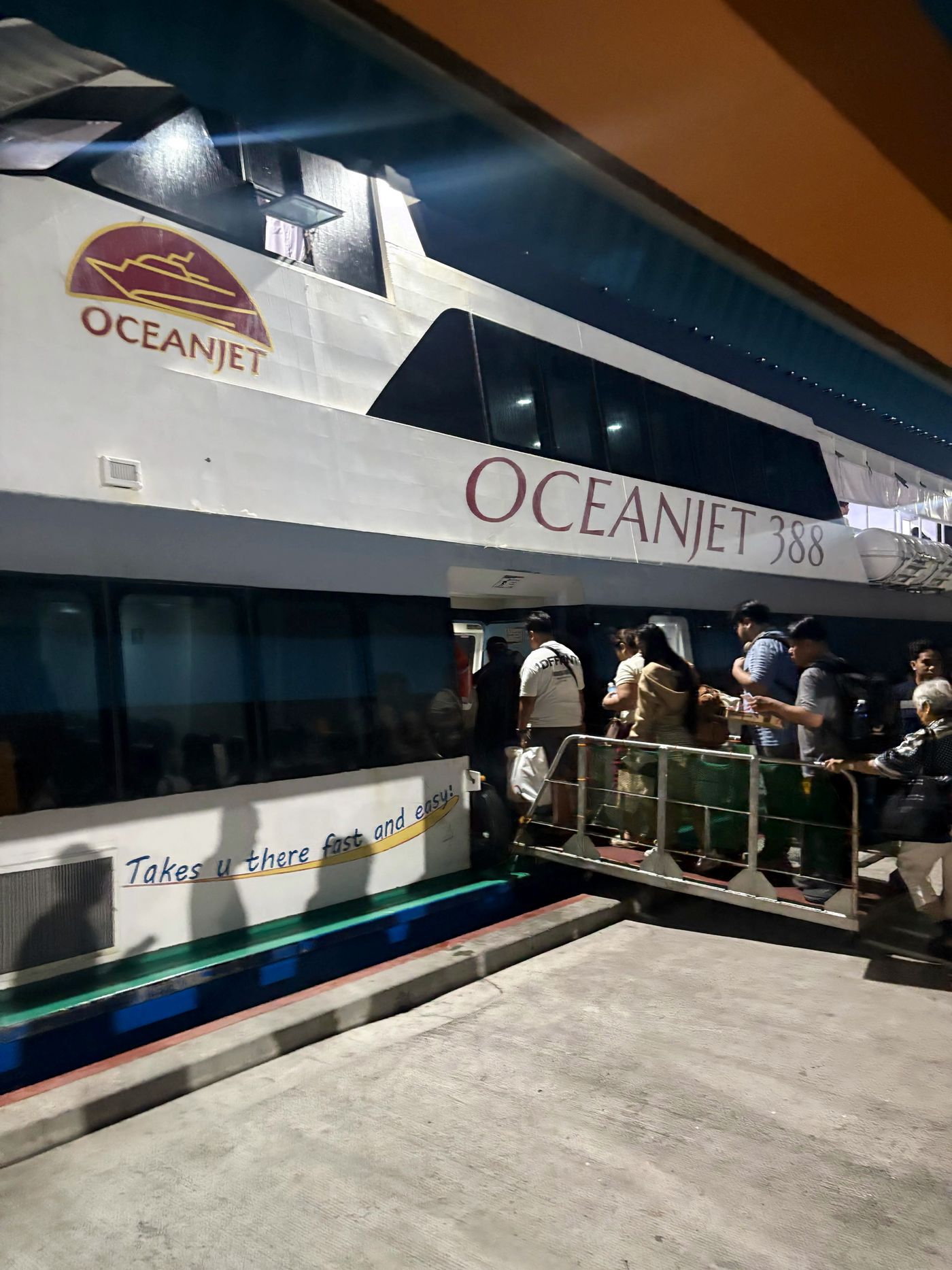
Tagbilaran is Bohol’s main gateway, and several shipping companies run fast craft and ferries there. The one most people use is probably OceanJet. It leaves from Pier 1 in Cebu City and, as of August 2026, costs 1,000 pesos one way. You can book on the OceanJet website, and that’s what I did again this time, a month ahead. I was on the first boat of the day at 5:10 am, due to reach Bohol in about two hours. You can also buy tickets at the counter in the port, but the line there can get very long, so booking ahead is the safer choice. One thing to know about the first departure: the port gate doesn’t open until an hour before, so you simply stand outside the entrance and wait.
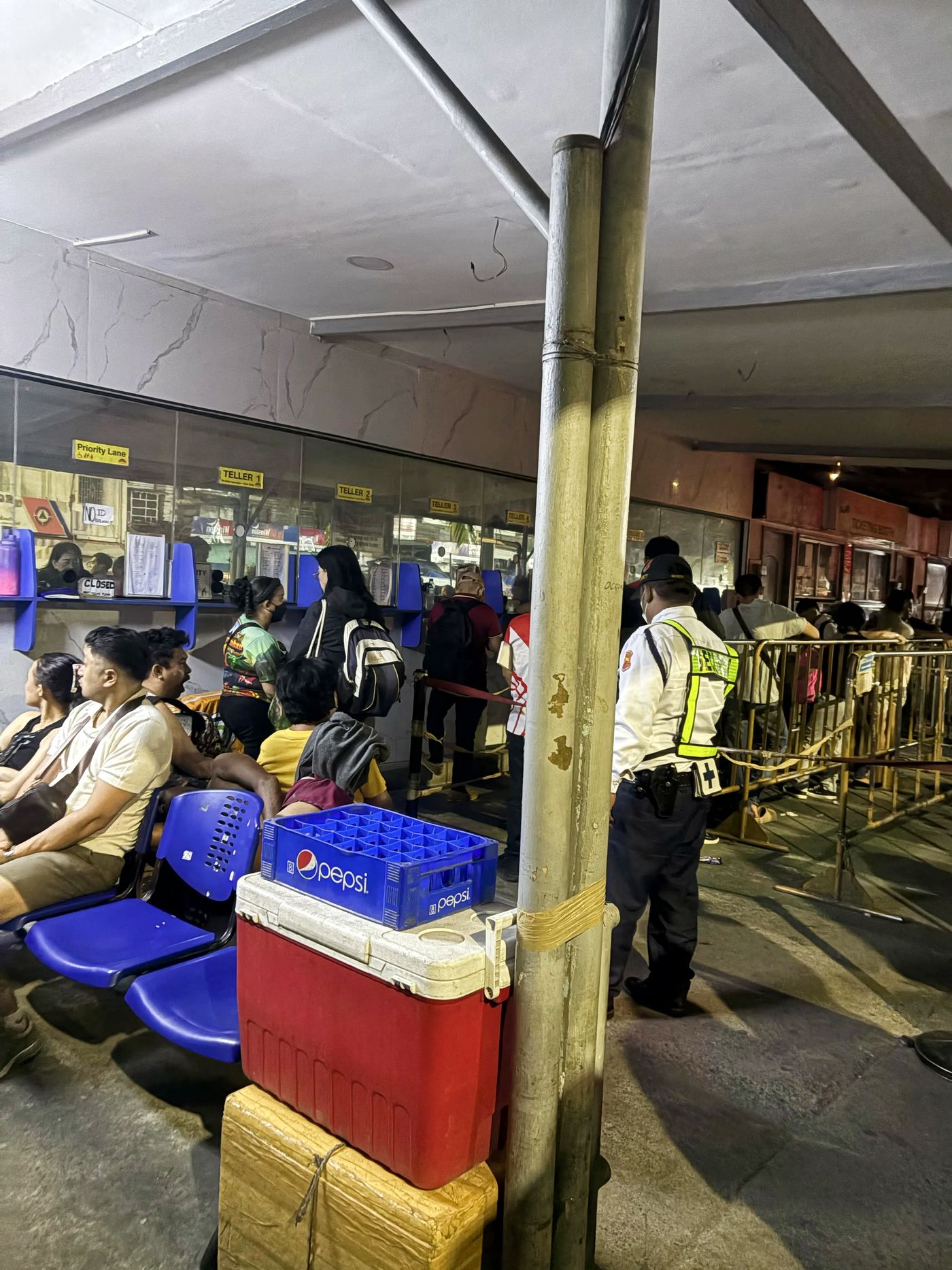
When the gate finally opens, your ticket is checked at the entrance to the building. Just inside you pay the terminal fee, then go through baggage inspection, then get a seat assigned at the boarding-pass counter beyond that — and only then do you reach the boarding gate. Around the gate there are snack stalls, and you can even get a massage from blind masseurs.
When the time comes and boarding is announced, everyone surges toward the gate at once. The Japanese are probably the only ones who would form a neat line at a moment like this. (lol)
On to Alona Beach
We reached Tagbilaran a little after 7 am. From there I picked up a motorbike at my usual rental shop and headed first for Alona Beach, the most famous spot on Panglao.
It had been three years since my last visit. And I was stunned by how completely those three years had changed Alona Beach…
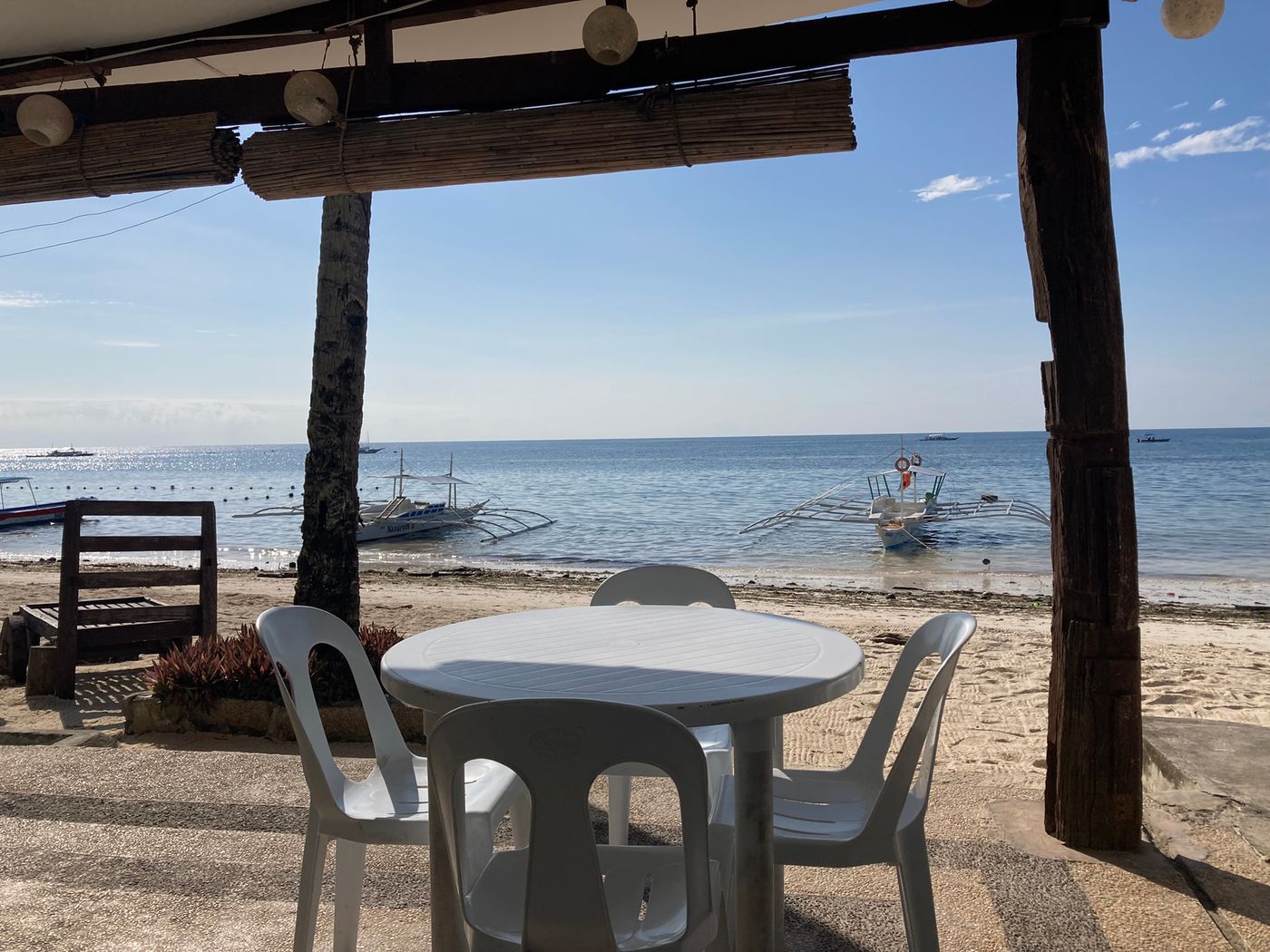
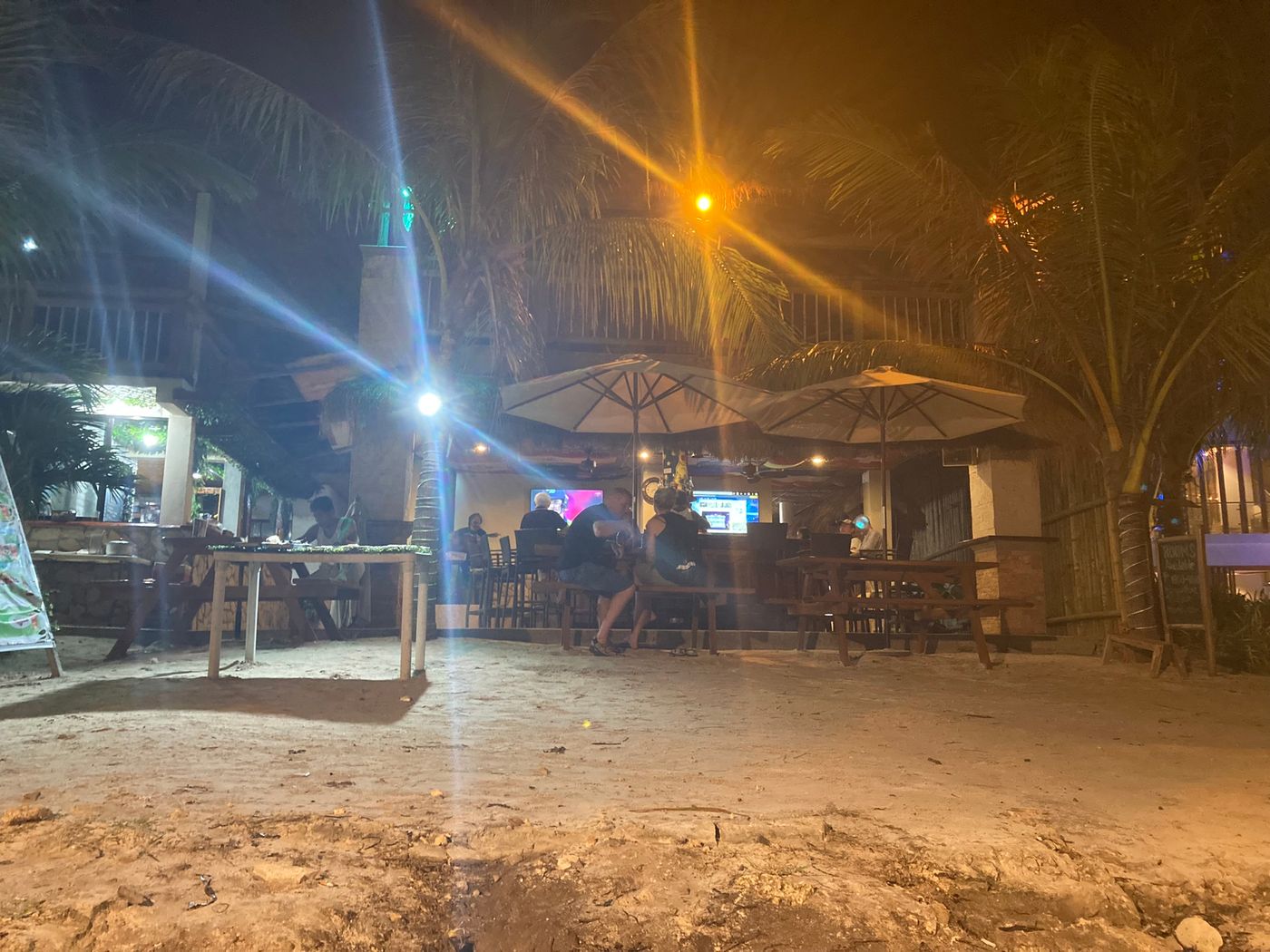
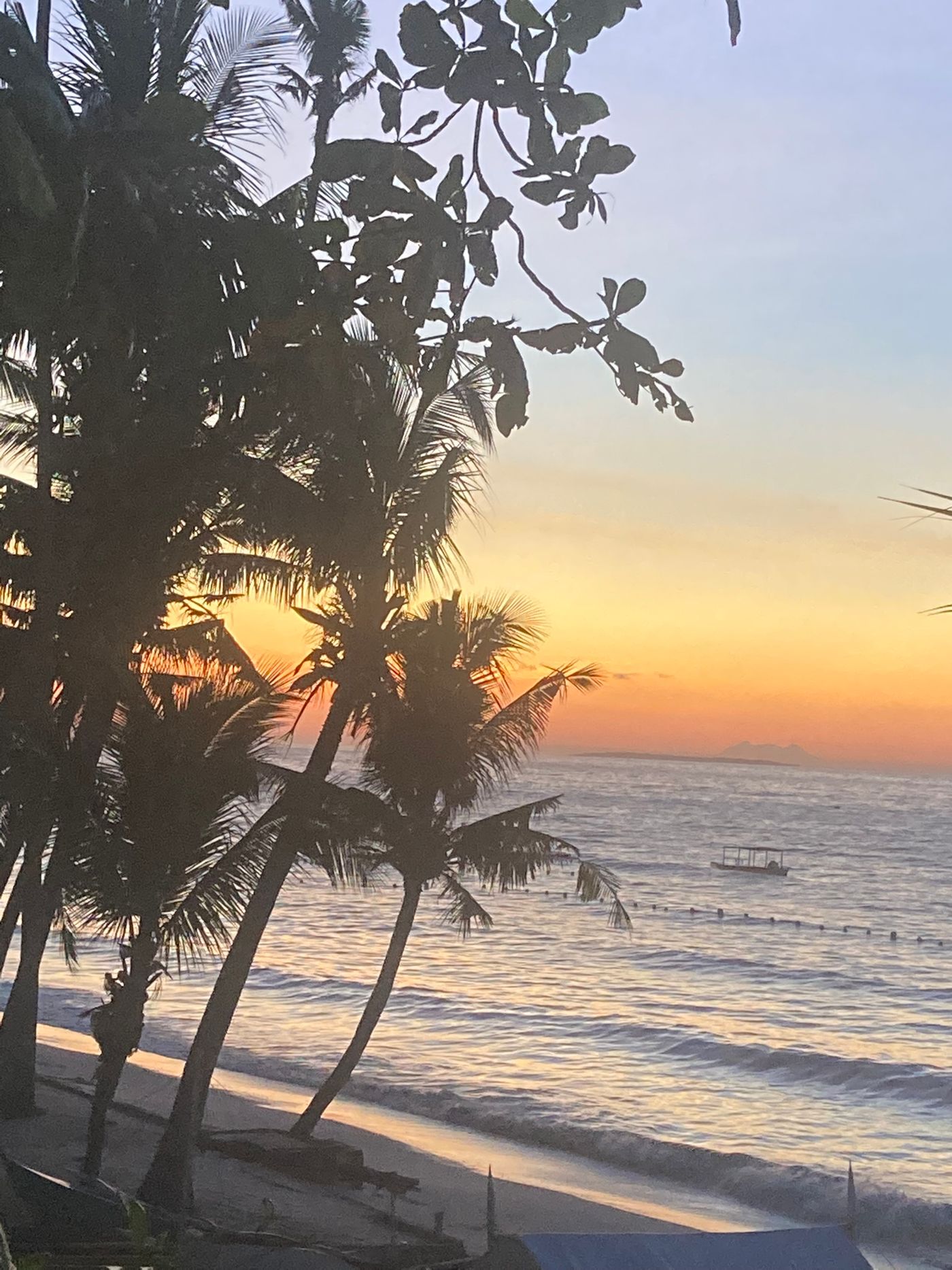
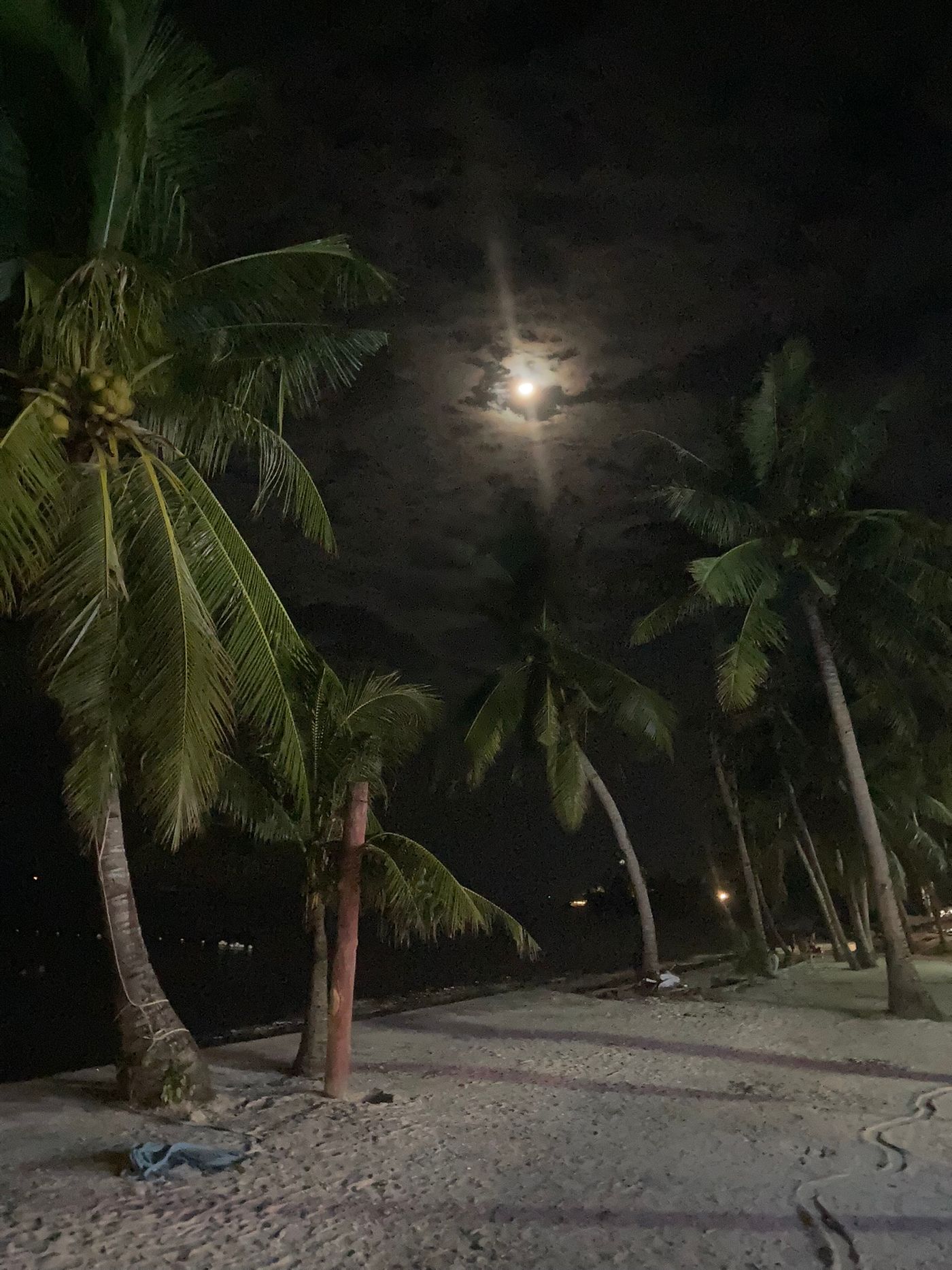
It used to be a beautiful beach, the kind where the sand and the coconut palms made a perfect picture. Small inns, restaurants, and bars lined the shore, and if you walked further along, the crowds thinned out. Eating, having a drink, and strolling the beach with nothing but the sound of the waves in the quiet — it was a truly lovely place to be.
But the Alona Beach I found after three years was unrecognizable… The beach has been artificially rebuilt into two levels, and from the hotels and restaurants you can no longer watch the sand slope gently into the sea. To reach the sand you have to go down a level by man-made ramps and stairs, and in the water beyond, tour boats are moored jammed up against one another. On the lower level, young Filipinos drink with music blaring late into the night, and by morning the beach is littered with leftover food, trash, and empty bottles…
I loved this beach. So I couldn’t bring myself to photograph the new Alona. I probably won’t ever go back… As a farewell to the beautiful, natural beach it once was, I’m deliberately leaving photos from three years ago here instead.
Swimming with the Fish at Napaling
On the opposite side of Panglao from Alona Beach, there’s a place that has lately become hugely popular with Korean and Chinese visitors. The coast known as Napaling has a completely different landscape from Alona — there’s nothing you could really call a shore. It’s a beach of sheer rock that drops straight off.
By my own unofficial classification, there are two kinds of sea. One is the shallow, white-sand beach made for strolling. It looks great in photos, but once you put your head under, there aren’t many fish or corals and it leaves you wanting more. The other is the cliff-edged kind that gets deep right away. It’s no place for lazing on the sand, but dive in and the fish, corals, and sea turtles are right there — like an aquarium. Napaling is the second kind.
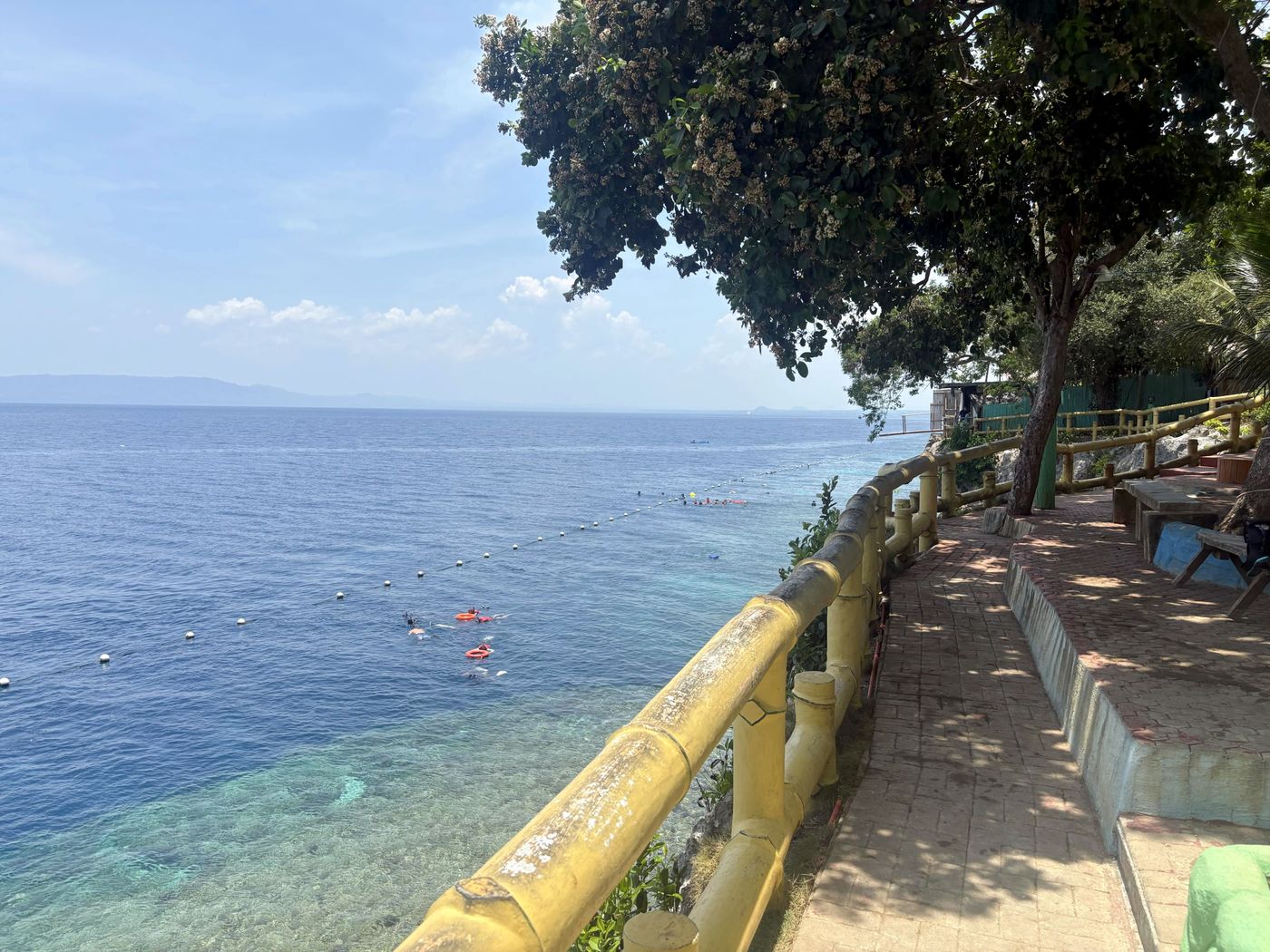
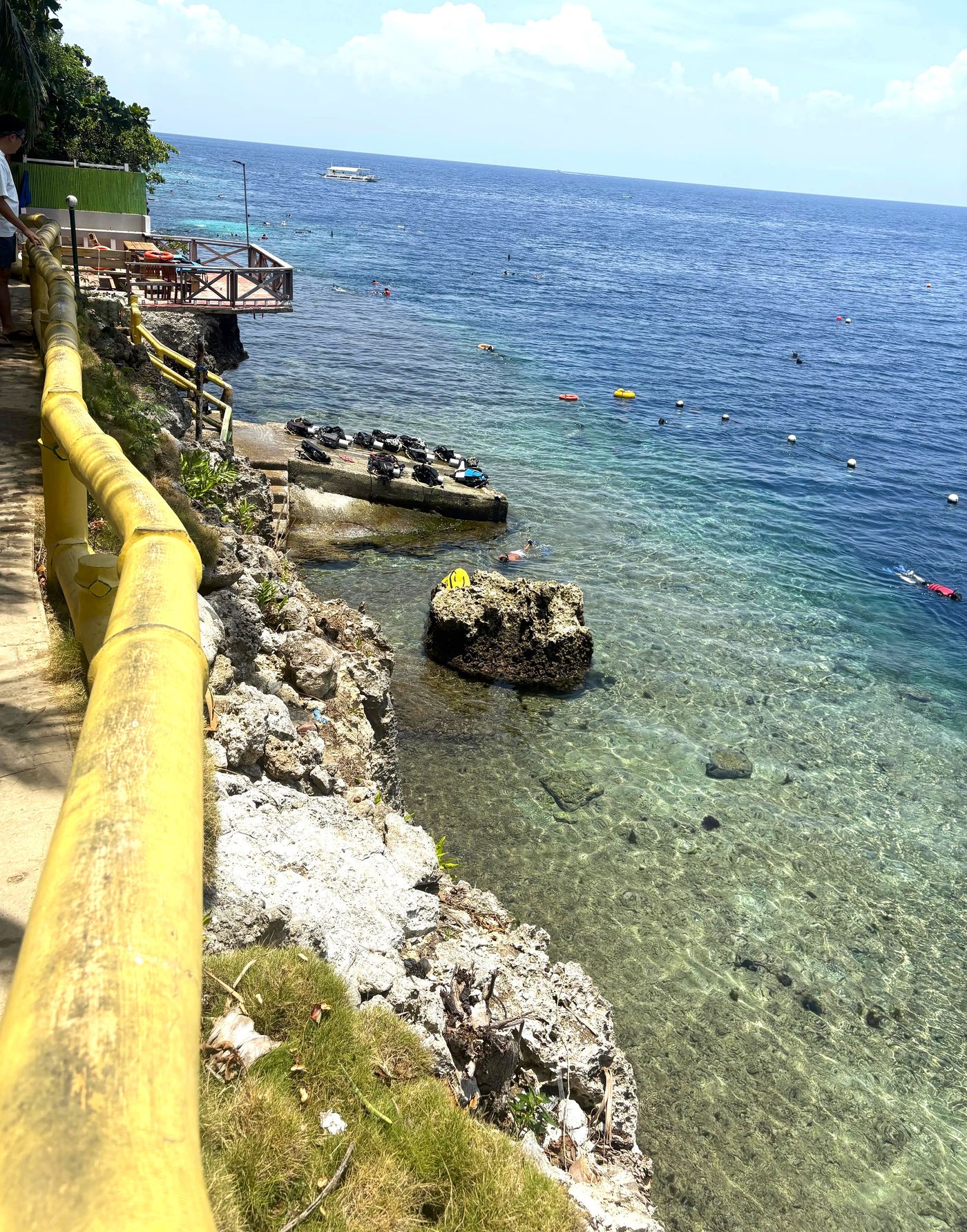
There are several hotels dotted around this area, and you can swim at any of them as a day visitor. There are, however, a number of restrictions… First, a tent that looks like a checkpoint has suddenly appeared on the road to Napaling. Tourists are stopped there and charged something called an “environmental fee.” Next, if you want to snorkel as a day visitor, every hotel requires you to take a guide. On top of that, your snorkeling time is limited to an hour and a half (as of August 2026). And of course you also pay an entrance fee to get into the hotel’s stretch of sea, plus the guide fee. Even hotel guests don’t have these charges included in their room rate!
This combination — (1) an environmental-fee booth that appears out of nowhere on the road, and (2) a “guide” system pushed on you with nothing more than “it’s mandatory” — is, in fact, a classic of Philippine tourist spots. Mountains, sea, waterfalls: everywhere it’s the same system. Even on a single-track hike where you couldn’t possibly get lost, a “guide” is required. (lol) I’m the type who likes to wander through nature at my own unhurried pace, so honestly this “guide” system frustrates me, and it counts as a minus.
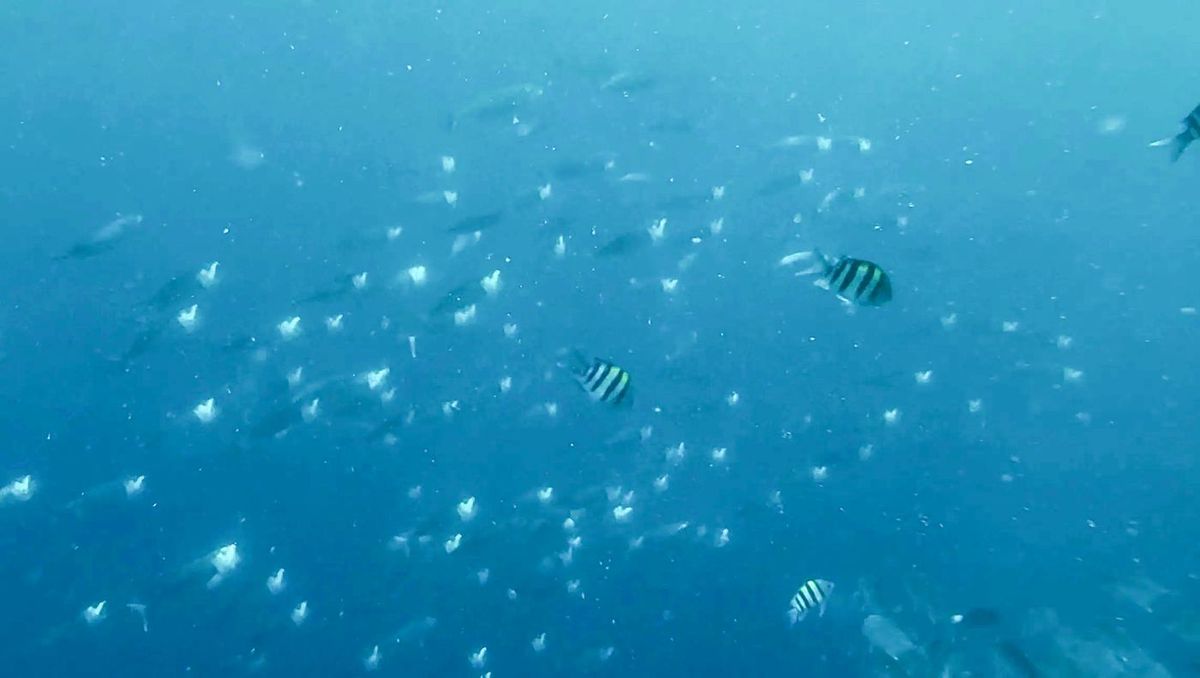
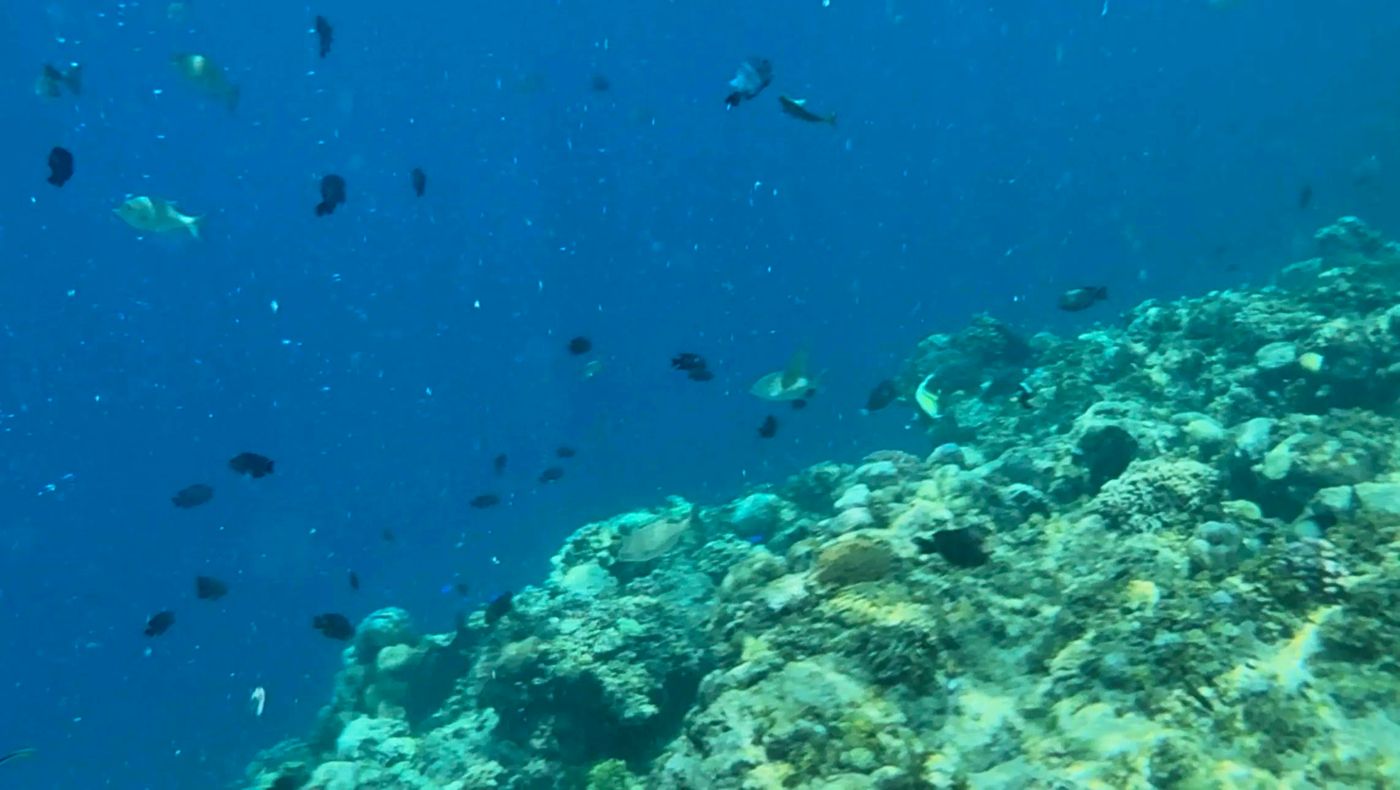
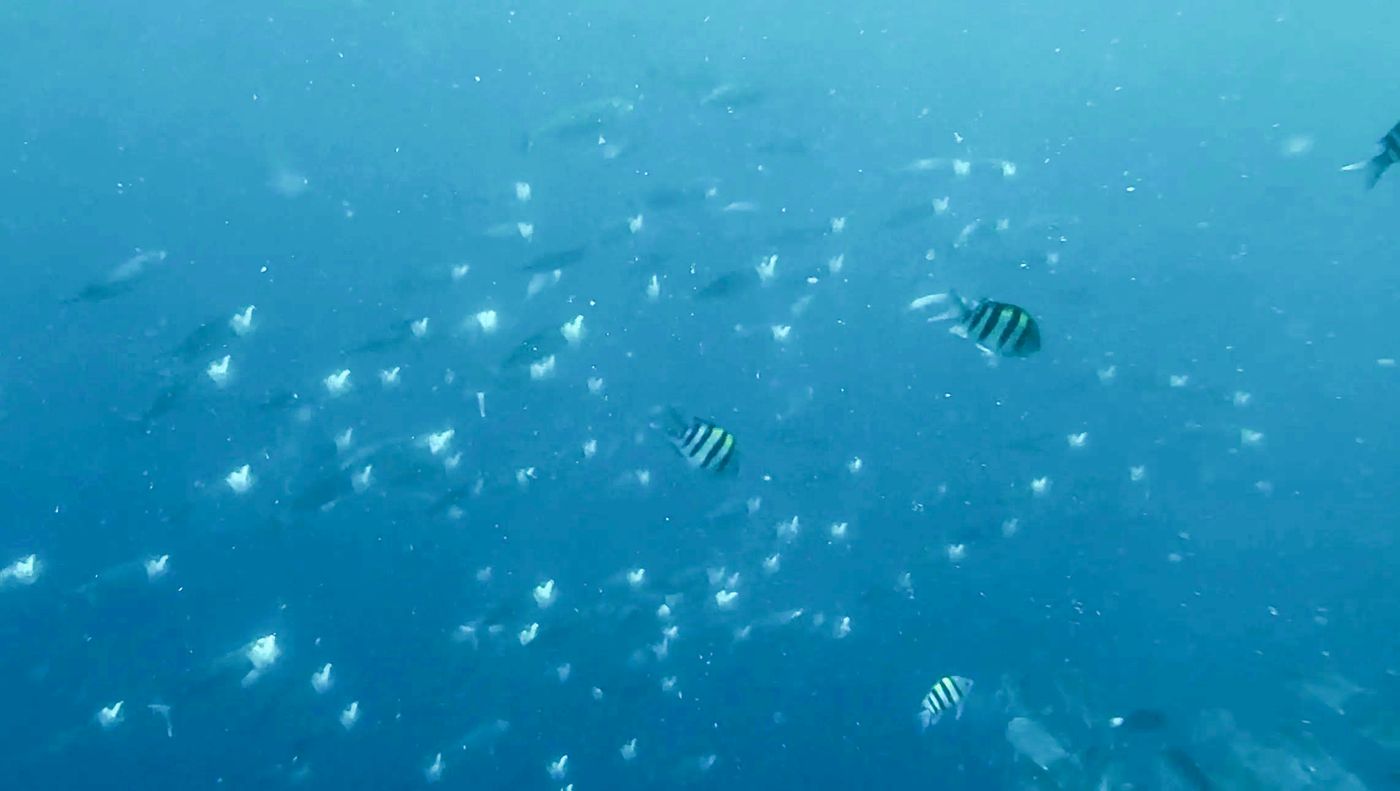
Even so, there’s no denying that the sea at Napaling is beautiful. The fish appear the very moment you go under. A school of jacks sweeps past right in front of you, and fish of every color are everywhere. The ones nestling into the swaying corals are adorable. The seabed here drops away steeply just a few meters from the shore, so plenty of people come for scuba diving and freediving, too. Of course, snorkeling alone is more than enough to feel like you’re in a natural aquarium.
On to Momo Beach
A little put off this time by the ever-stricter “(1) surprise environmental-fee booth and (2) mandatory guide” system, I went looking for a freer sea and ended up at Momo Beach. It’s nowhere near as touristy as Napaling, and it still has a strong local feel.
Here I paid an entrance fee of 50 pesos per adult. A guide was gently suggested, but I declined.
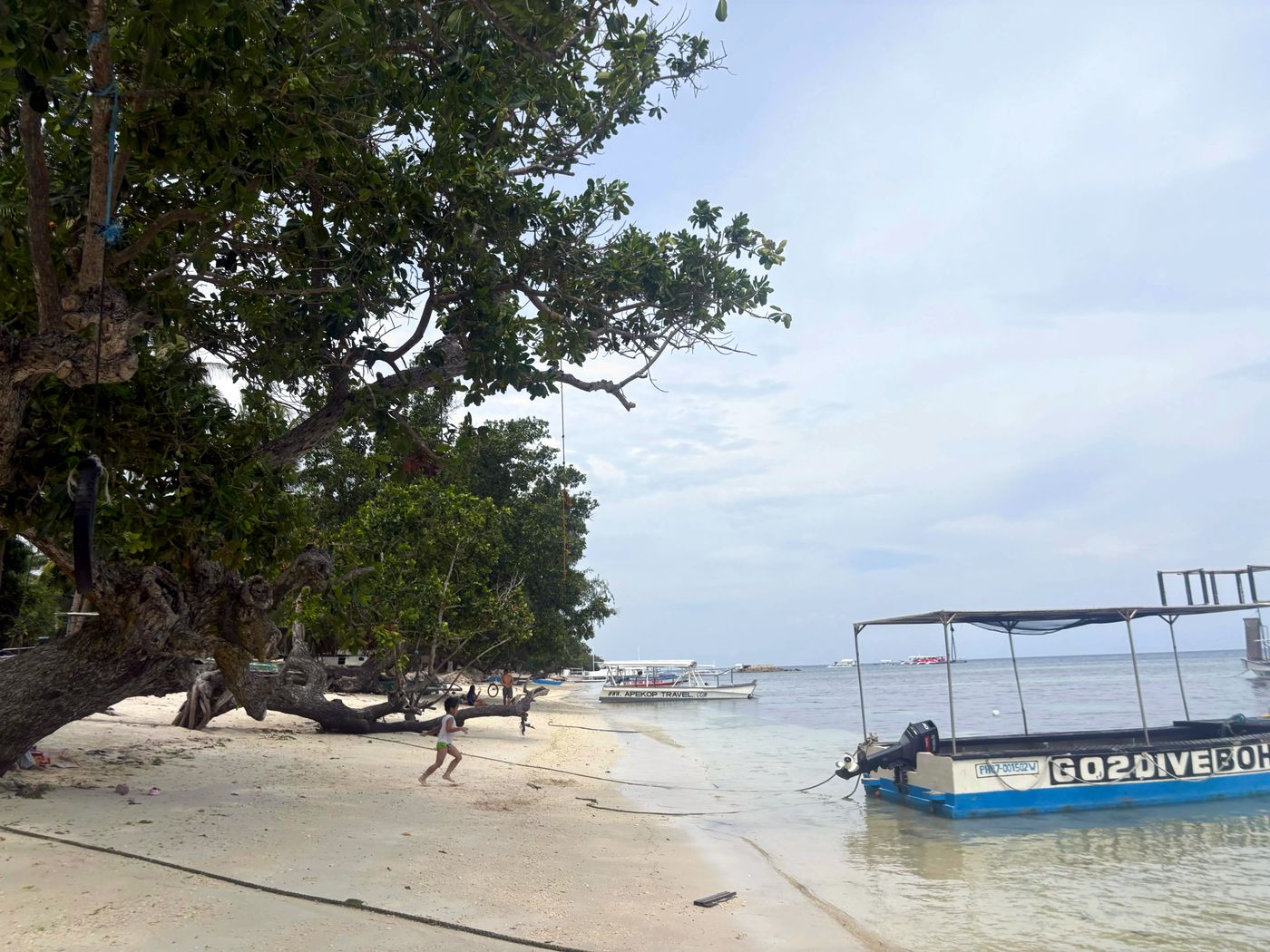
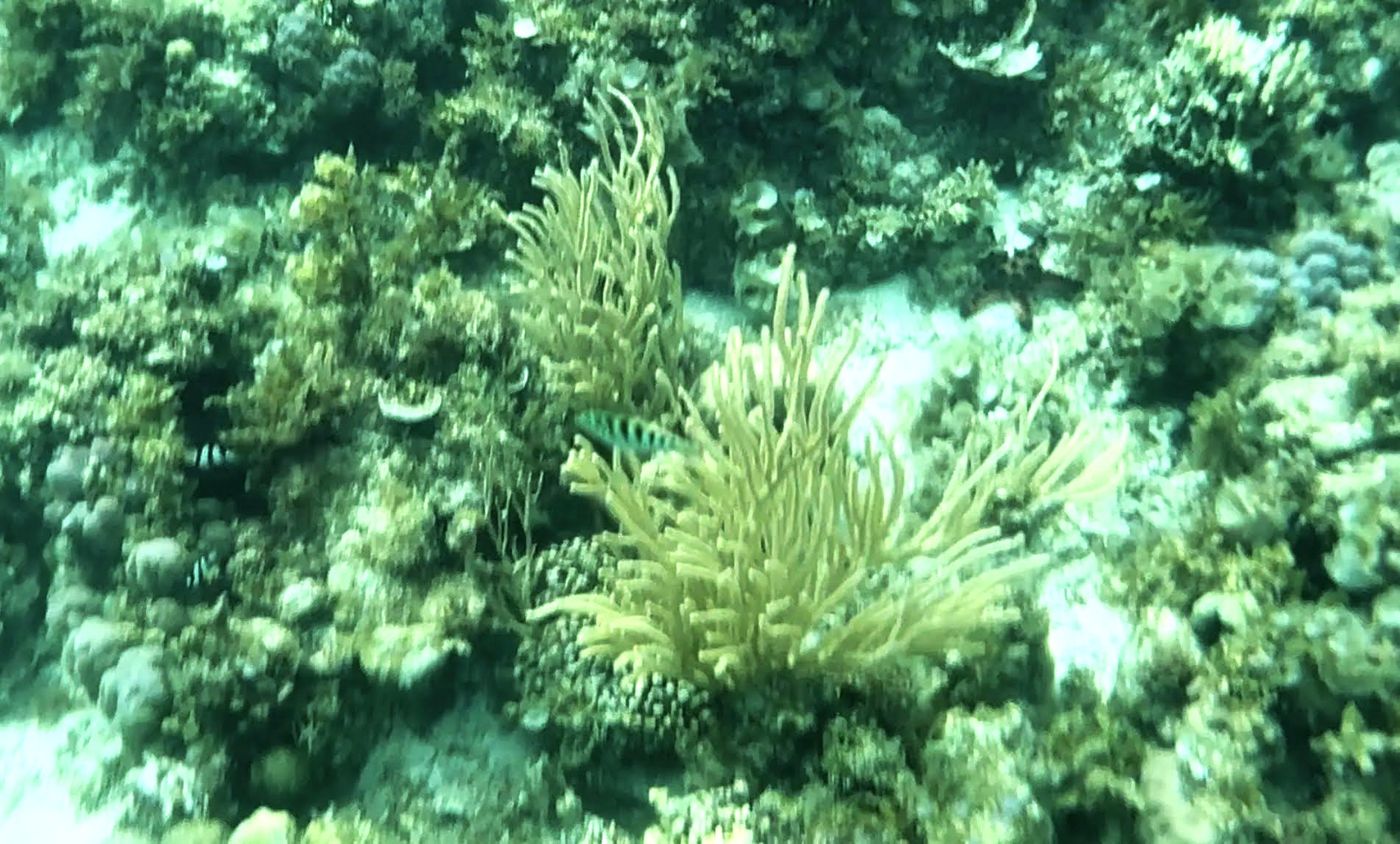
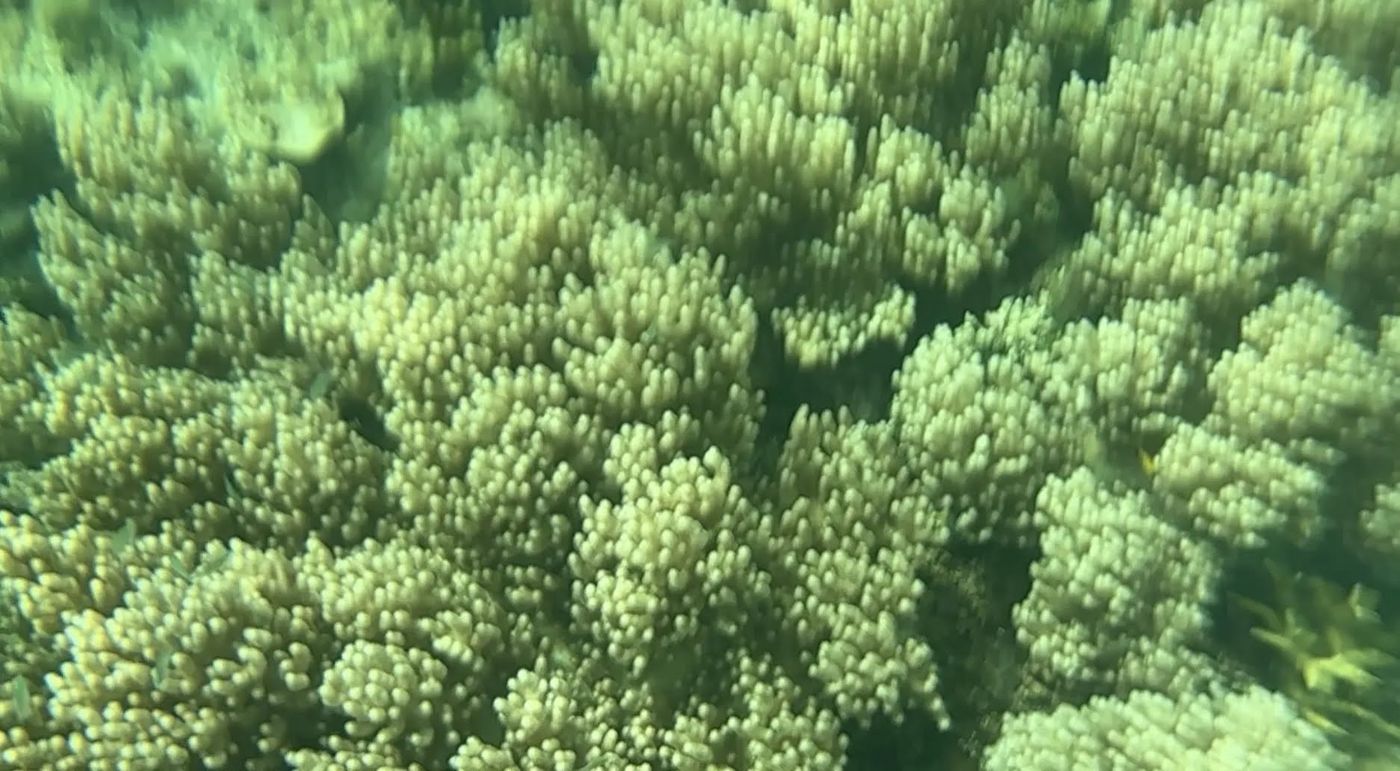
Now, this beach. It sits right in between the two kinds of sea I so presumptuously defined above. (lol) There’s sand, and if you swim out a little you’ll find fish and corals too — just the right balance. Honestly, it made me think that if I’m going to get in the water on Panglao, this is where I’ll come from now on. The further out you go, the more the coral forest spreads out before you. Ah, this is the sea I was looking for. Free, quiet, and beautiful.
(For the record, I do hold a diving license. If you’re not a confident swimmer, I’d recommend going with a guide.)
Heading Back toward Tagbilaran
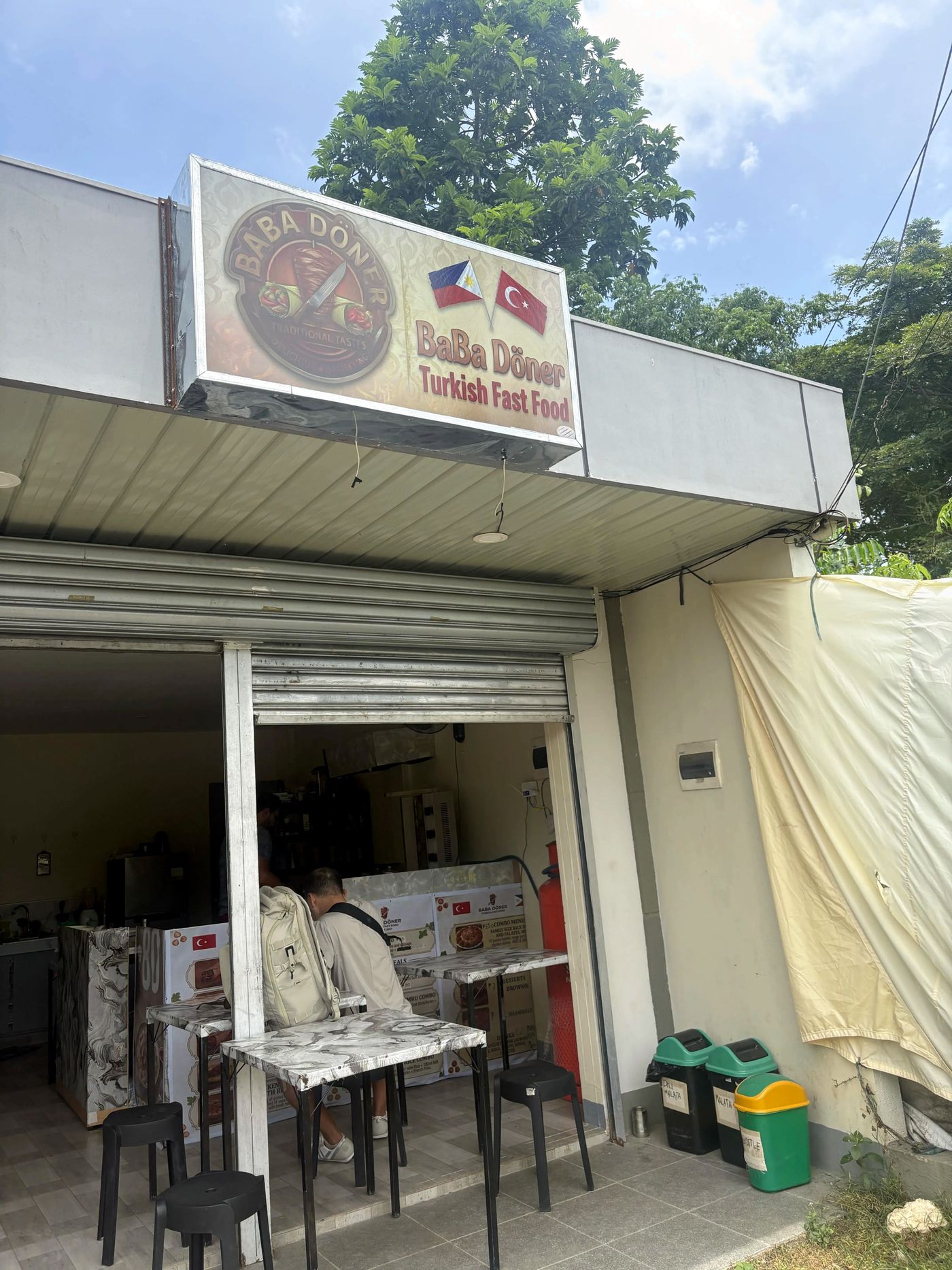
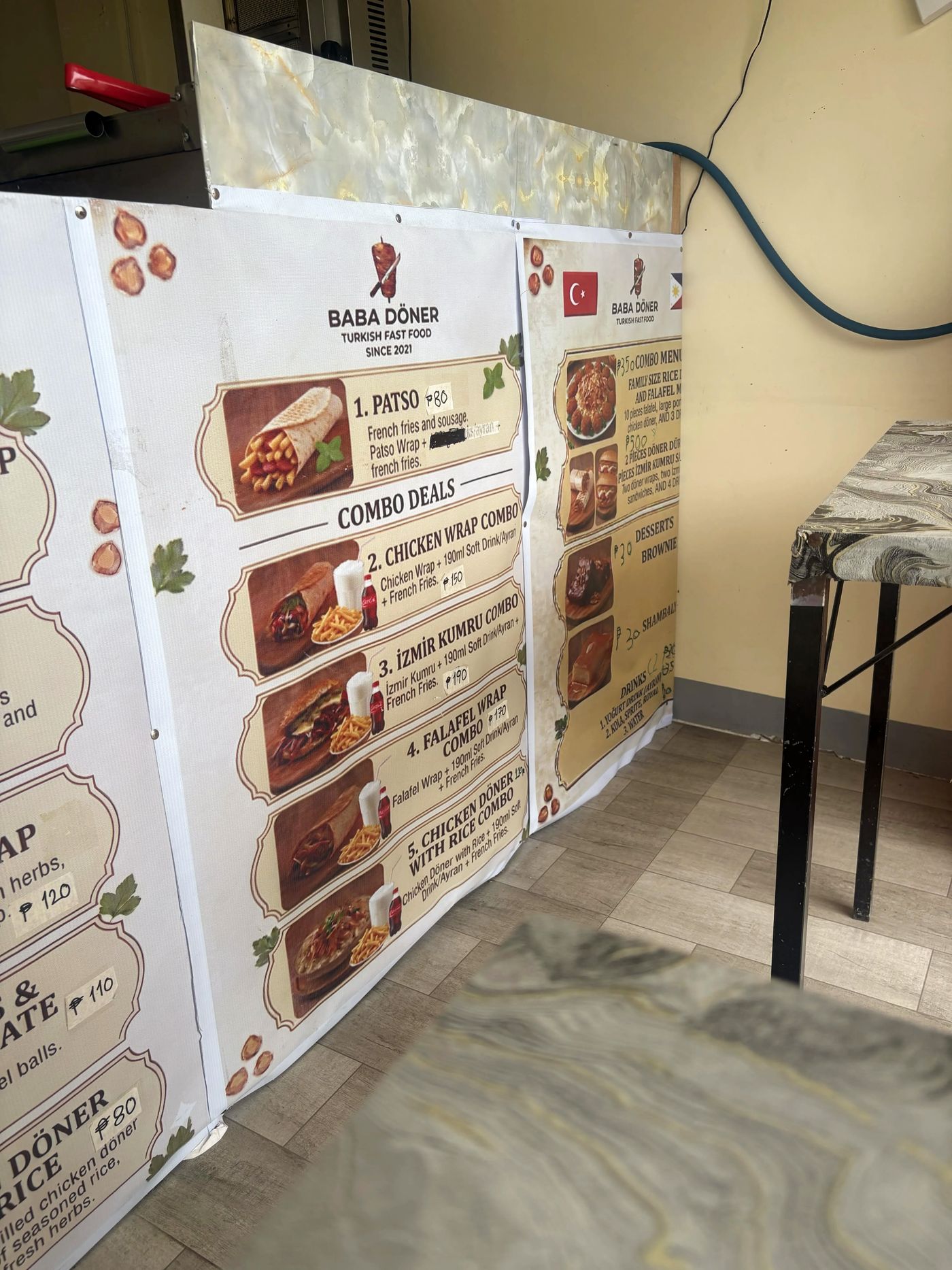
Panglao had given me my fill of beaches, but I wanted to finish with something good to eat. On the way back to Tagbilaran port, where the boat leaves the island, I spotted a Turkish restaurant. Turkish food — counted among the world’s three great cuisines (or so they say). Surely it would fill my stomach with joy, I thought. I ordered the most basic of basics, a chicken wrap (100 pesos). While it was being made I played with the owners’ child, who happened to be watching Japanese anime and was thrilled simply to meet a real live Japanese person. (lol) I waited maybe fifteen minutes. The piping-hot wrap was even better than I’d hoped — nicely charred chicken and the aroma of spices kept me eating. I finished it in no time and set off again, this time in search of dessert.
Trying Sikwate
I’ve written before about puto maya, a traditional Cebuano sweet (see Cebu Street Snacks, Part 2). There’s a drink that goes with it. It’s called sikwate, and it’s close to hot cocoa: unsweetened chocolate called tablea, dissolved in hot water. It’s the standard companion to puto maya.
I eat puto maya about once a week, yet somehow I had never tried sikwate. Glancing at Google Maps, I spotted a very local eatery that serves it — and right on my way back. There was no reason not to stop.
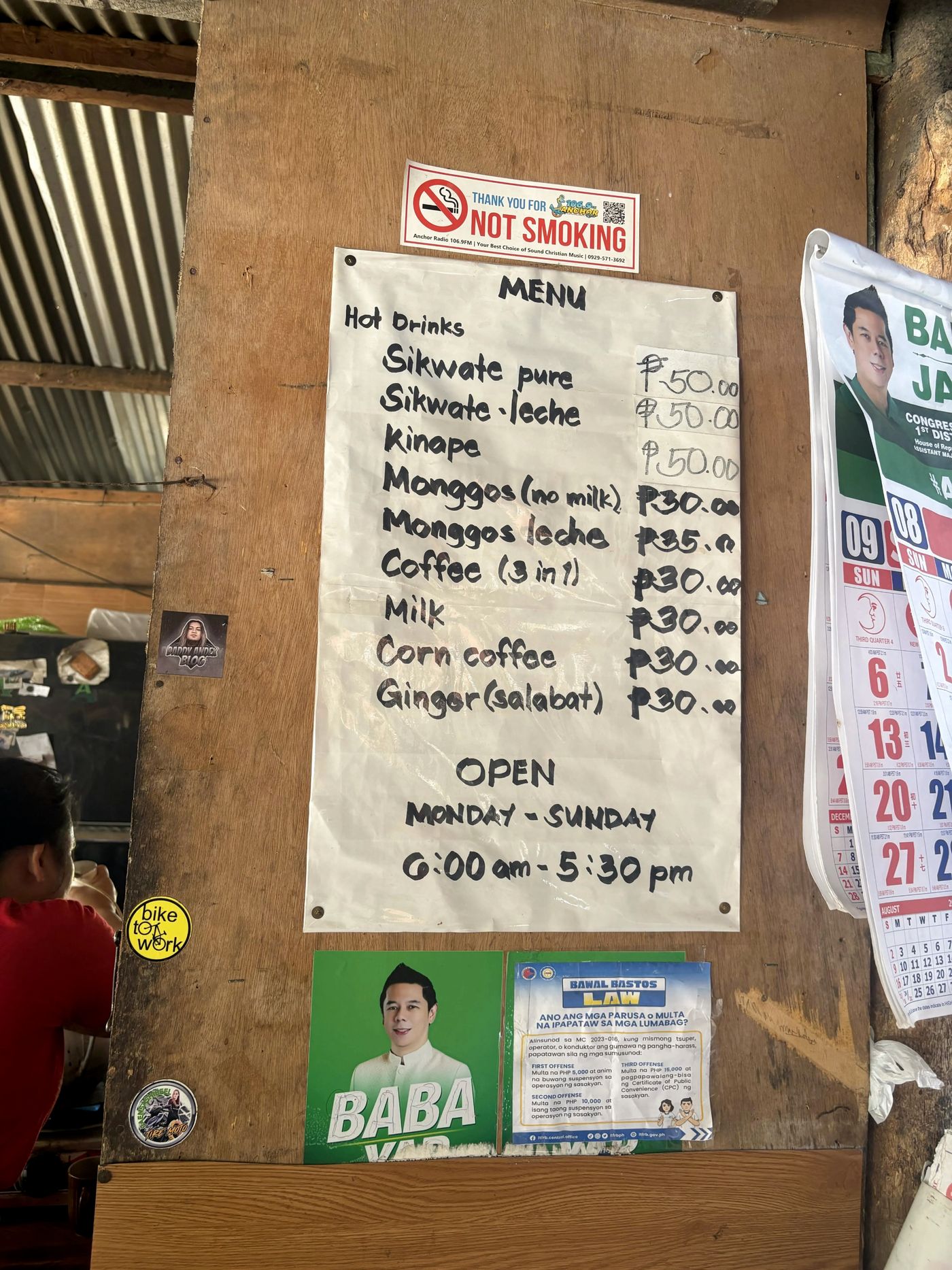
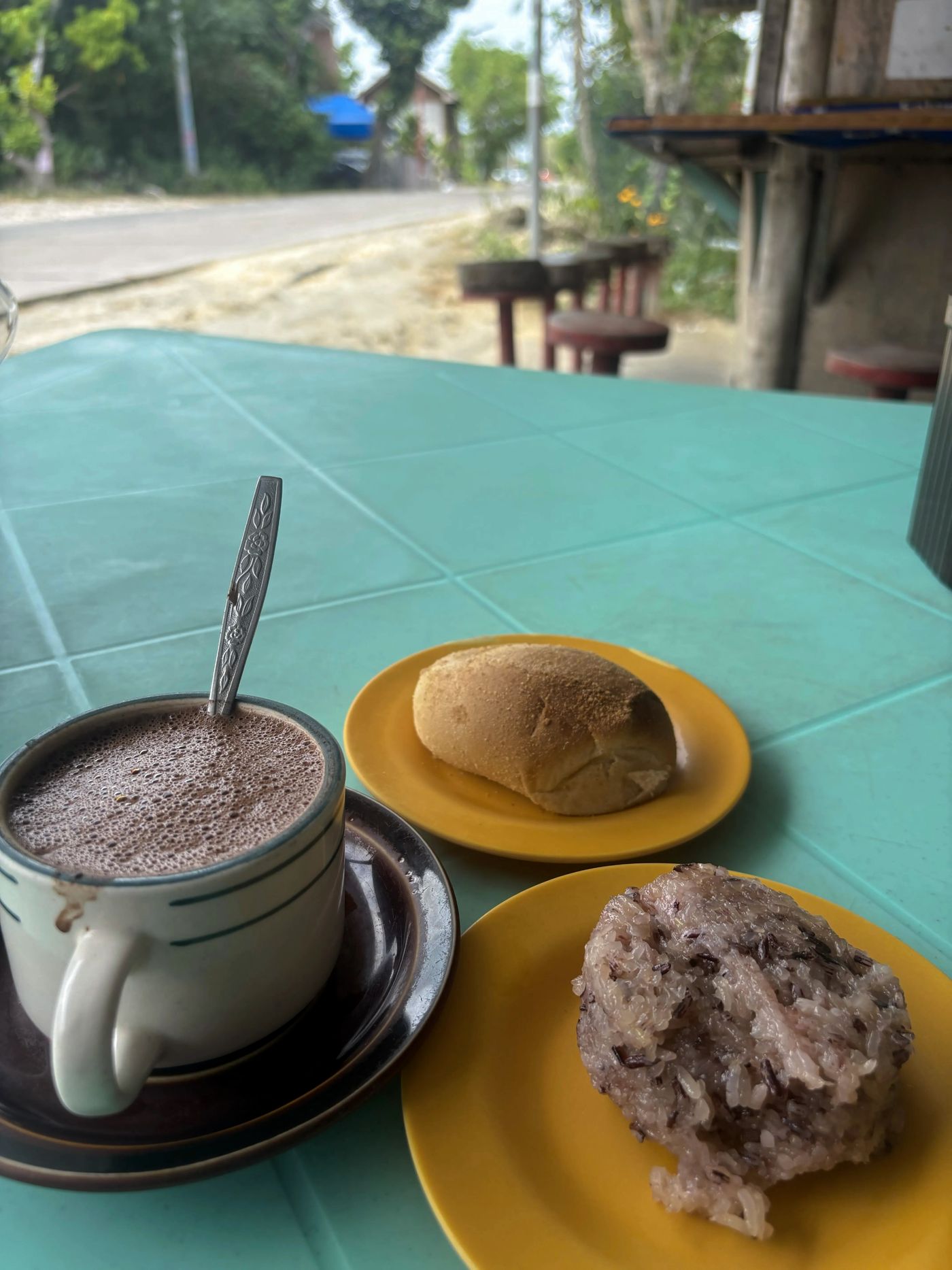
It was so local that I rode past several times without realizing it was a shop. A resident pointed it out, and when I looked properly — yes, it was indeed a shop. (lol) I ordered the sikwate I’d come for, puto maya to go with it, of course, and a slightly sweet bread called pandesal. It’s not stylish at all, and it’s not spotless, but you get to taste a Cebuano tradition that has been eaten for generations, atmosphere of the place included. This is the kind of thing I like.
Bohol’s charms are endless.