
Cebu Kurassic Journal
A Grown-Up Field Trip to Tuburan Coffee Farm, Cebu
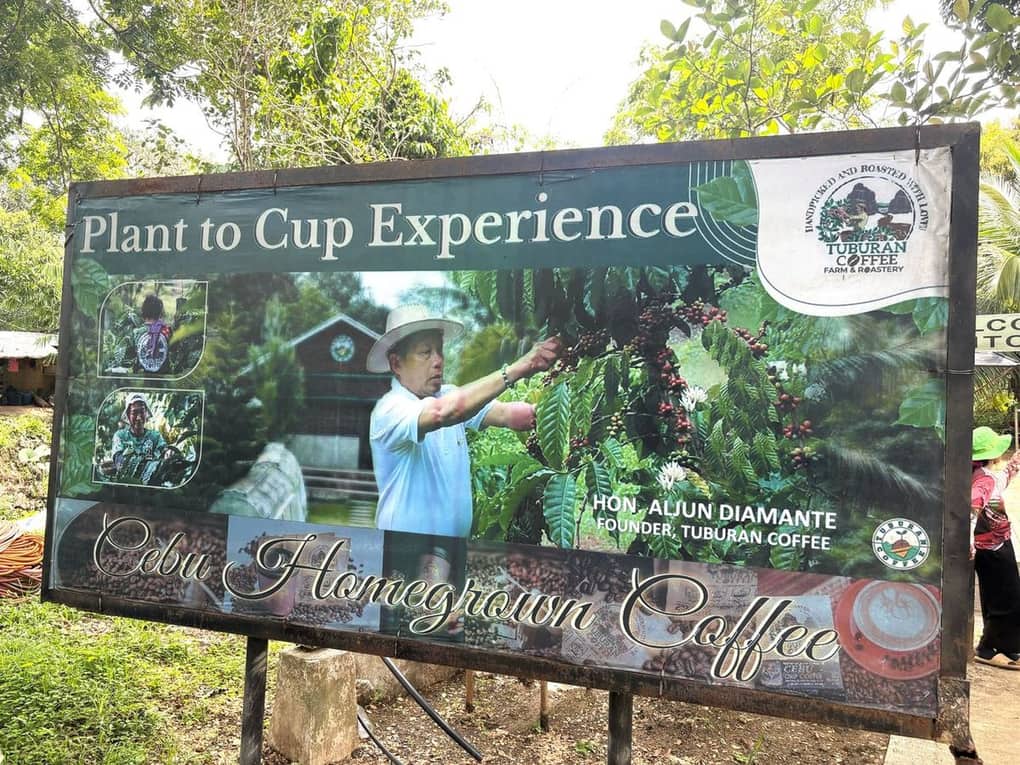
A Coffee Farm in Cebu!
My mornings begin with coffee. Before sunrise I slowly brew a favorite coffee and enjoy it on the balcony while the sky gradually turns red — that’s my daily routine. The Philippines, surprisingly, is a major coffee producer. Growing regions are scattered from north to south, and you can find Arabica and Robusta beans, and even the very rare Liberica.
So I searched to see whether there might be a coffee farm here on Cebu Island too — and there was! Apparently it’s about two hours and twenty minutes from Cebu City by motorbike. I had to go!
Off to the Farm!
First I crossed the mountains to the other side of Cebu Island, then rode along the coast, then headed back into the mountains. Cebu’s mountains feel wonderful. In the countryside you’ll see goats munching on grass by the roadside, but further up into the hills there are pastures dotted here and there, and cows appear. The scenery looks just like Hokkaido. If it weren’t for the coconut palms, you could easily mistake it for northern Japan.
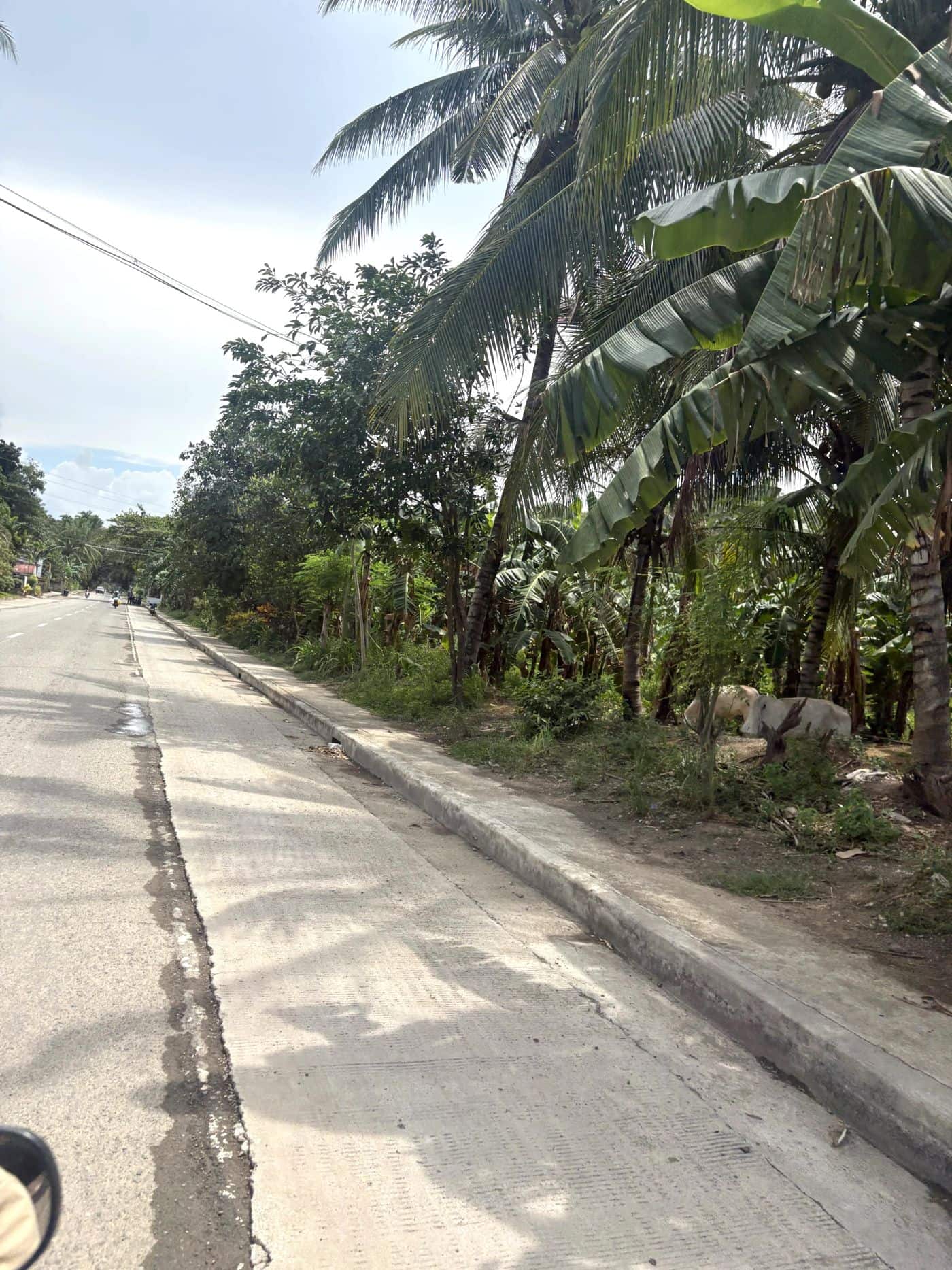
Riding past rows of coconut and banana trees, I spotted a sign in the middle of the road. Looking closer, it said “PAYMENT HERE”… Here we go… It was one of those “environmental fee” booths that have been popping up at tourist spots all over the Philippines lately.
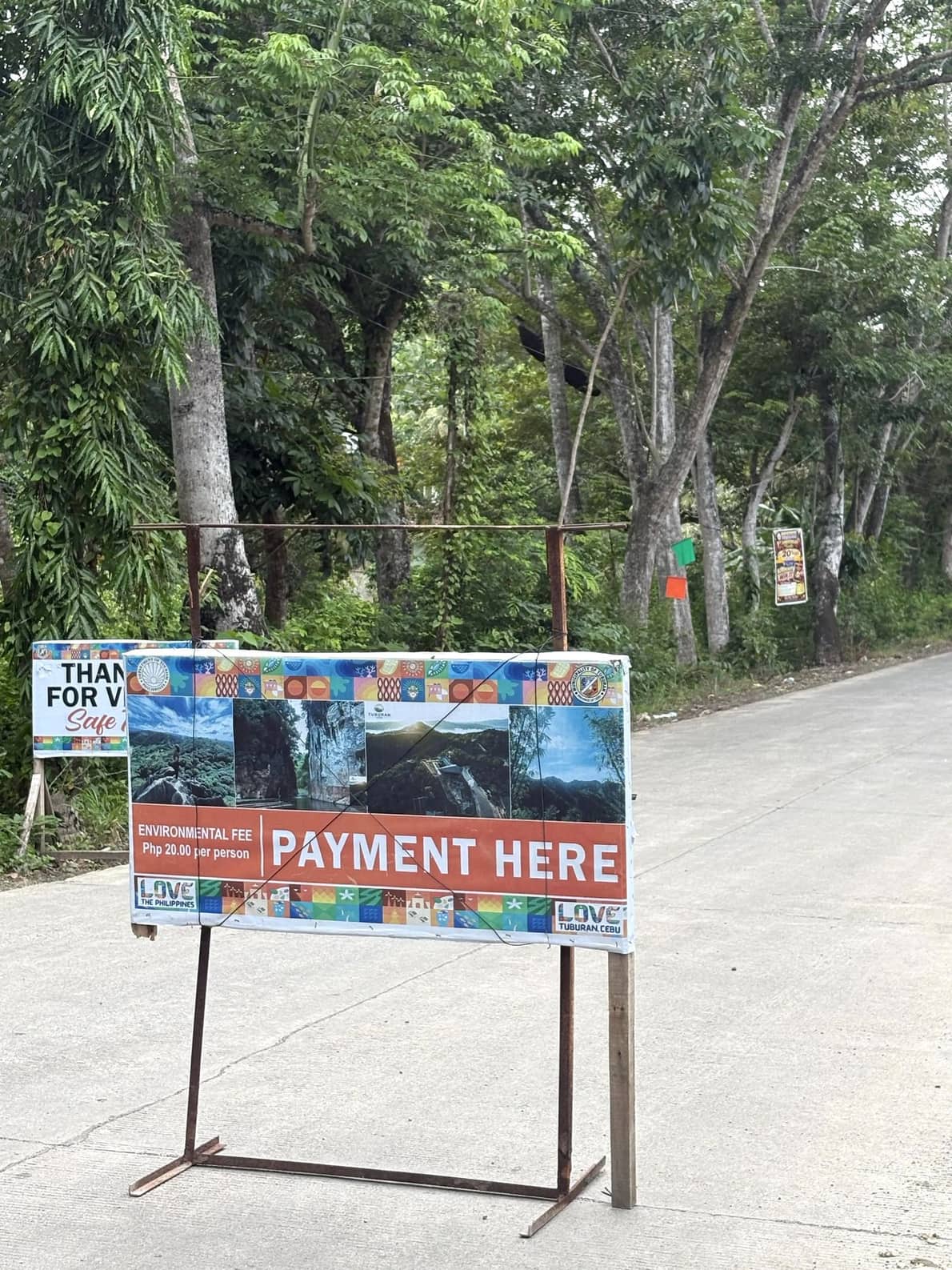
It’s only 20 pesos per person, and I’m all for protecting the environment, so it’s fine. As long as the money is really used for that purpose… Honestly, the pollution in the Philippines often breaks my heart, so I’d happily pay more if it meant they really worked on it.
After paying the fee and continuing up the mountain road, a gate suddenly appeared. I’d arrived!
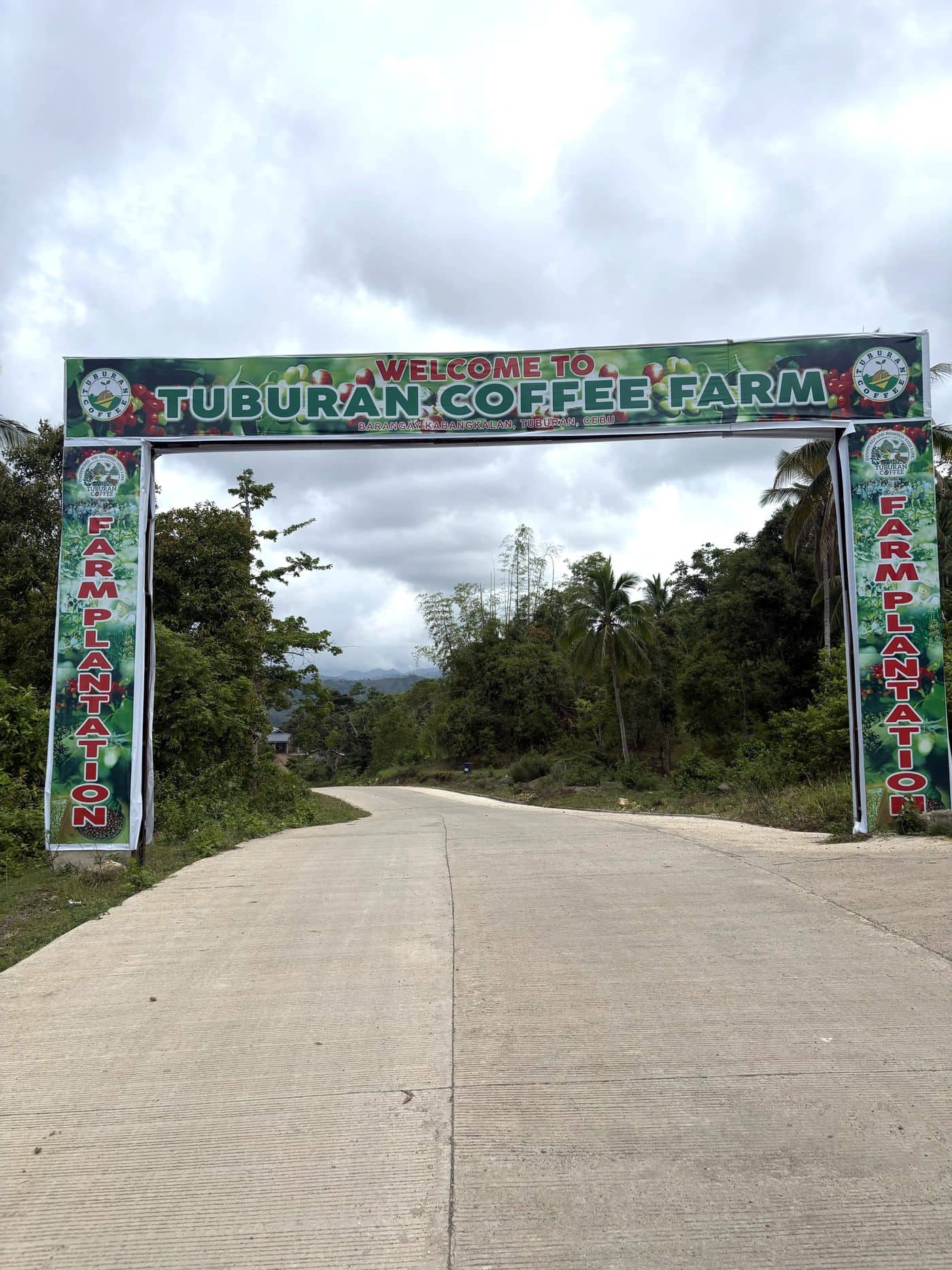
Touring the Farm
As I wandered around unsure where to park or where to go, farm staff came streaming out to meet me. In the Philippines there are often more staff than customers (lol) — here, three people came out just to greet me. Not much English was spoken, but I followed where they led, and was invited into a small office-like hut.
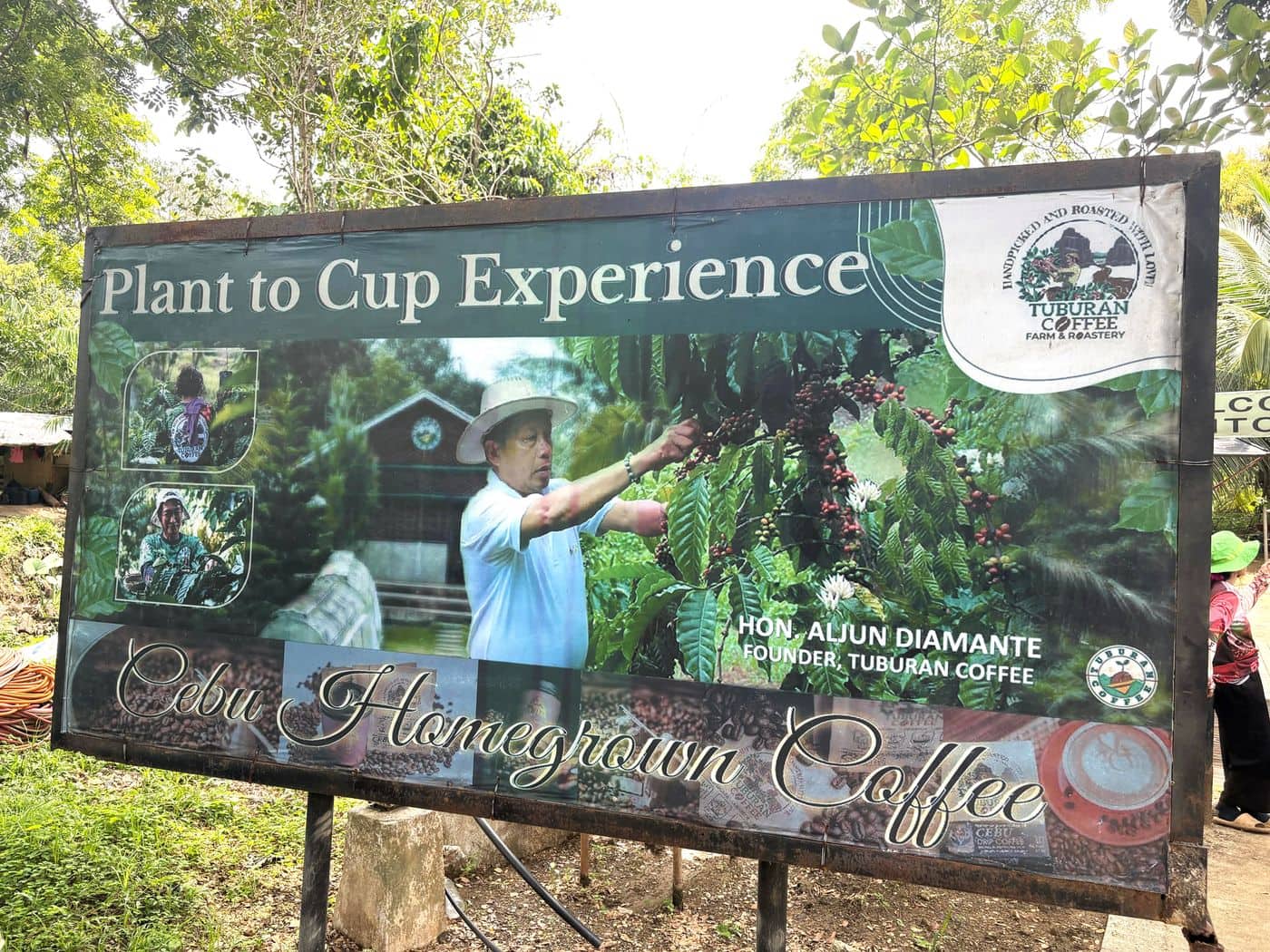
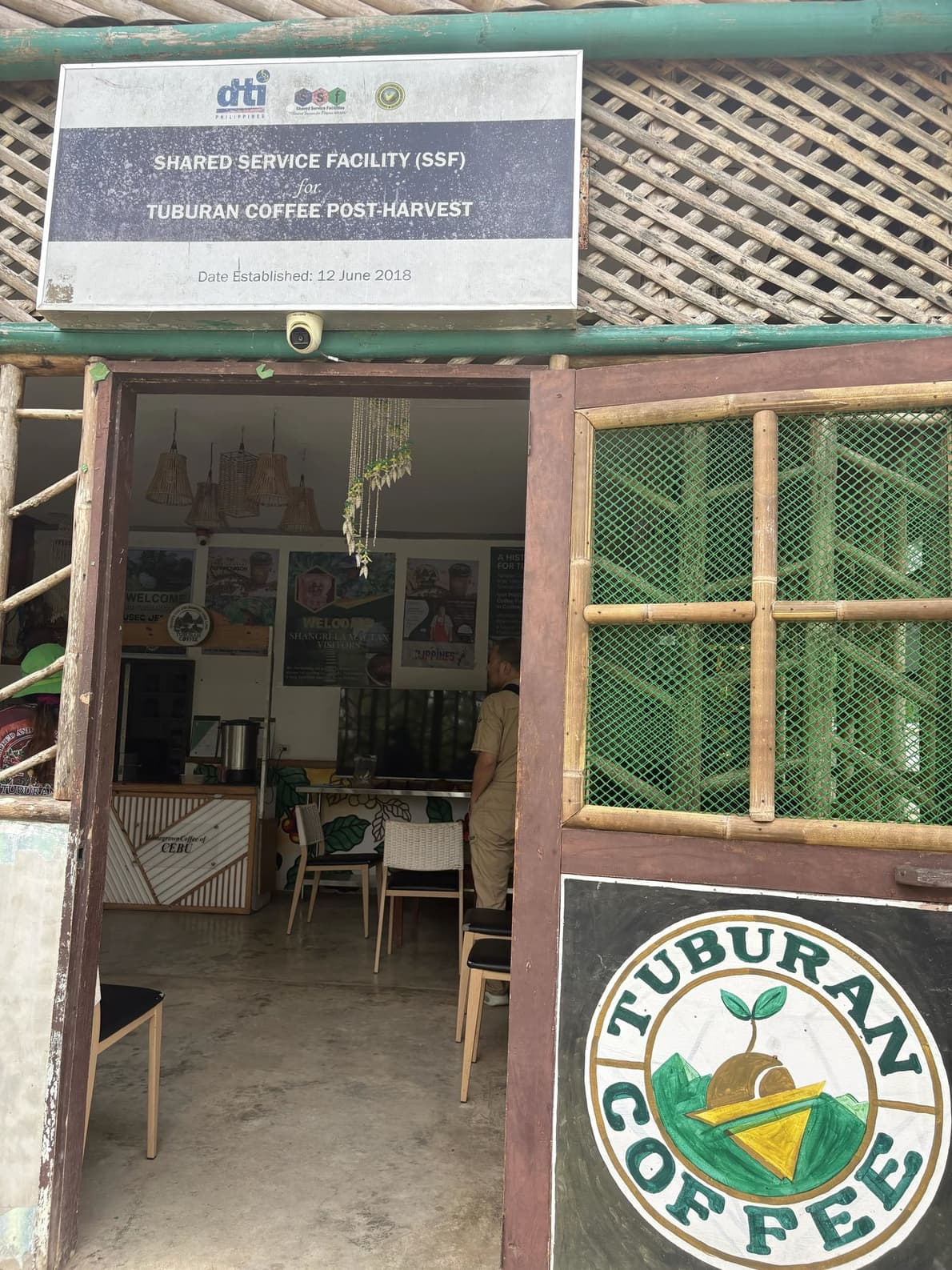
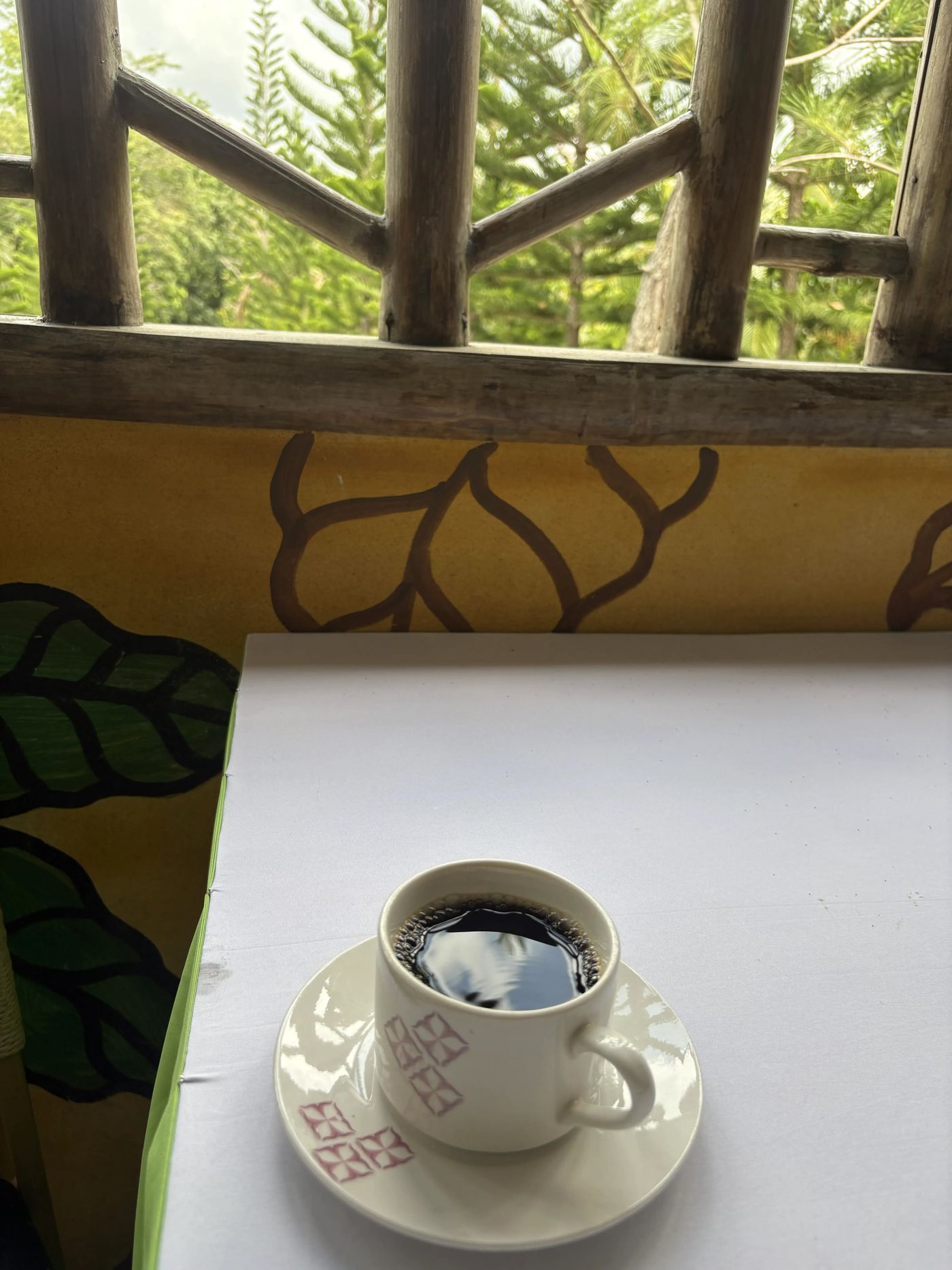
Inside, they served me coffee from a pot. Coffee from the farm, drunk at the farm — this was exactly what I’d come for! I had assumed there would be some kind of café where I could buy a cup, but they offered it free the moment I arrived, without my even asking. A happy surprise (lol).
They told me I could sit and drink it anywhere I liked, so I took a seat with a view of the farm.
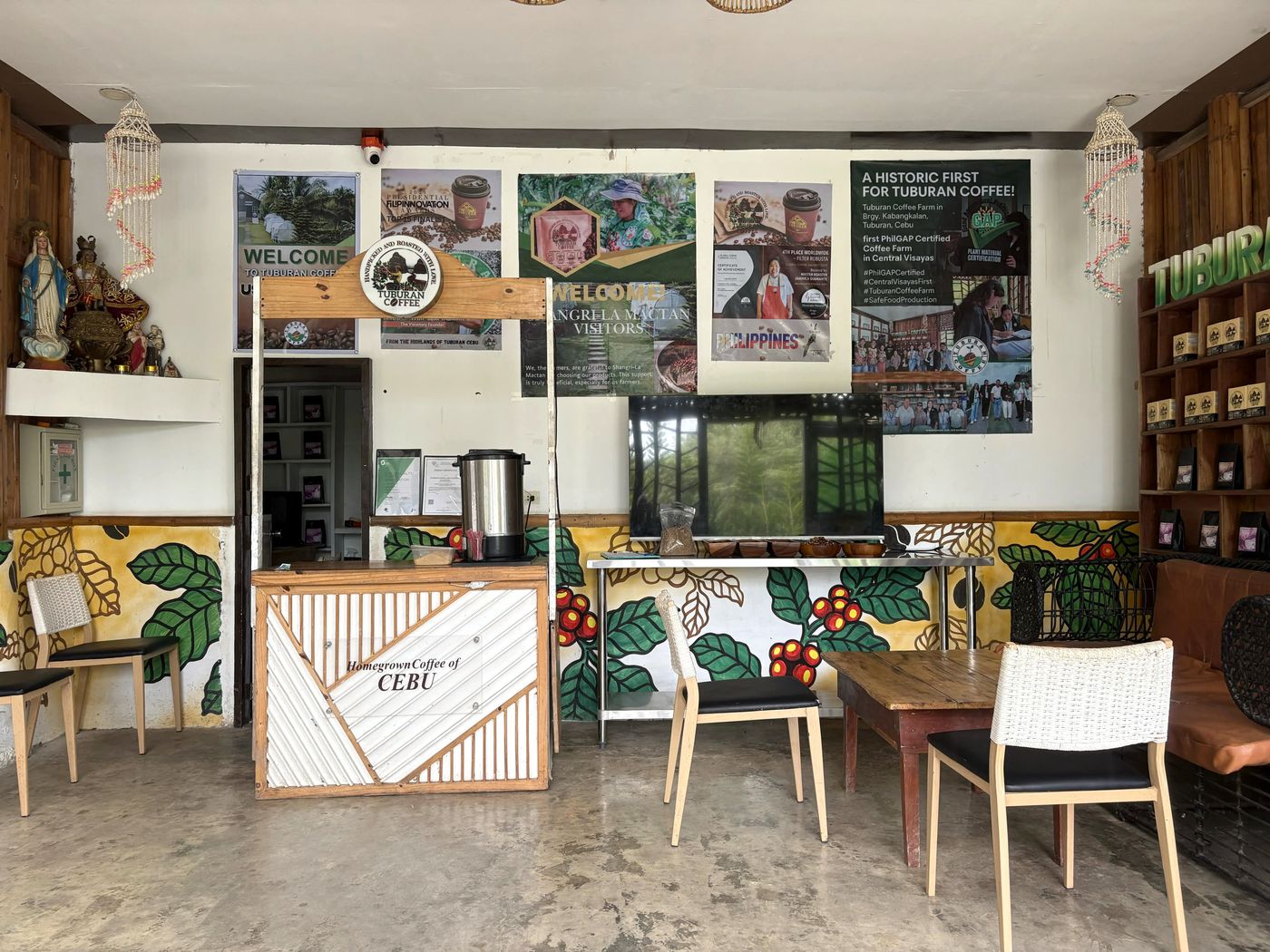
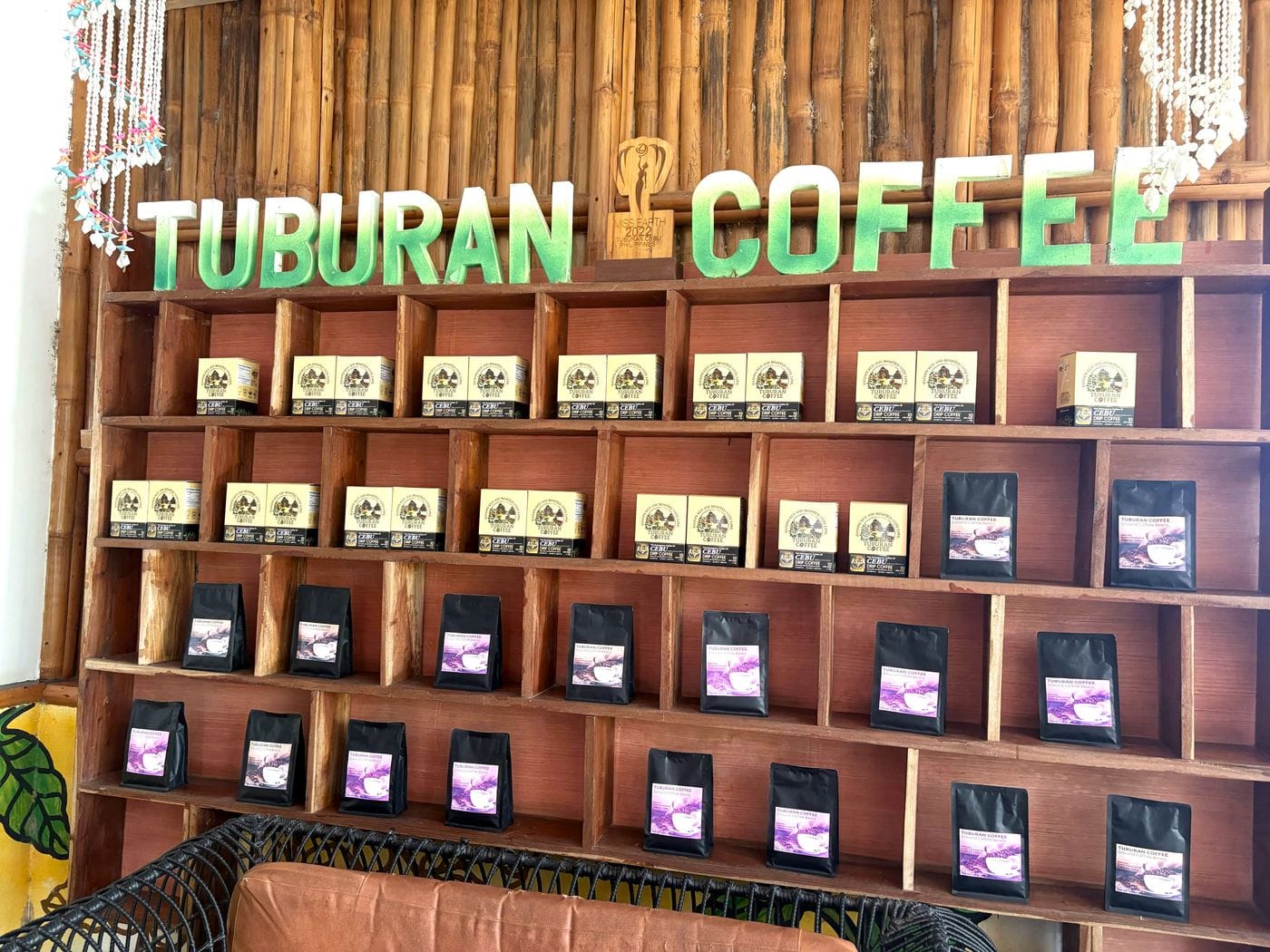
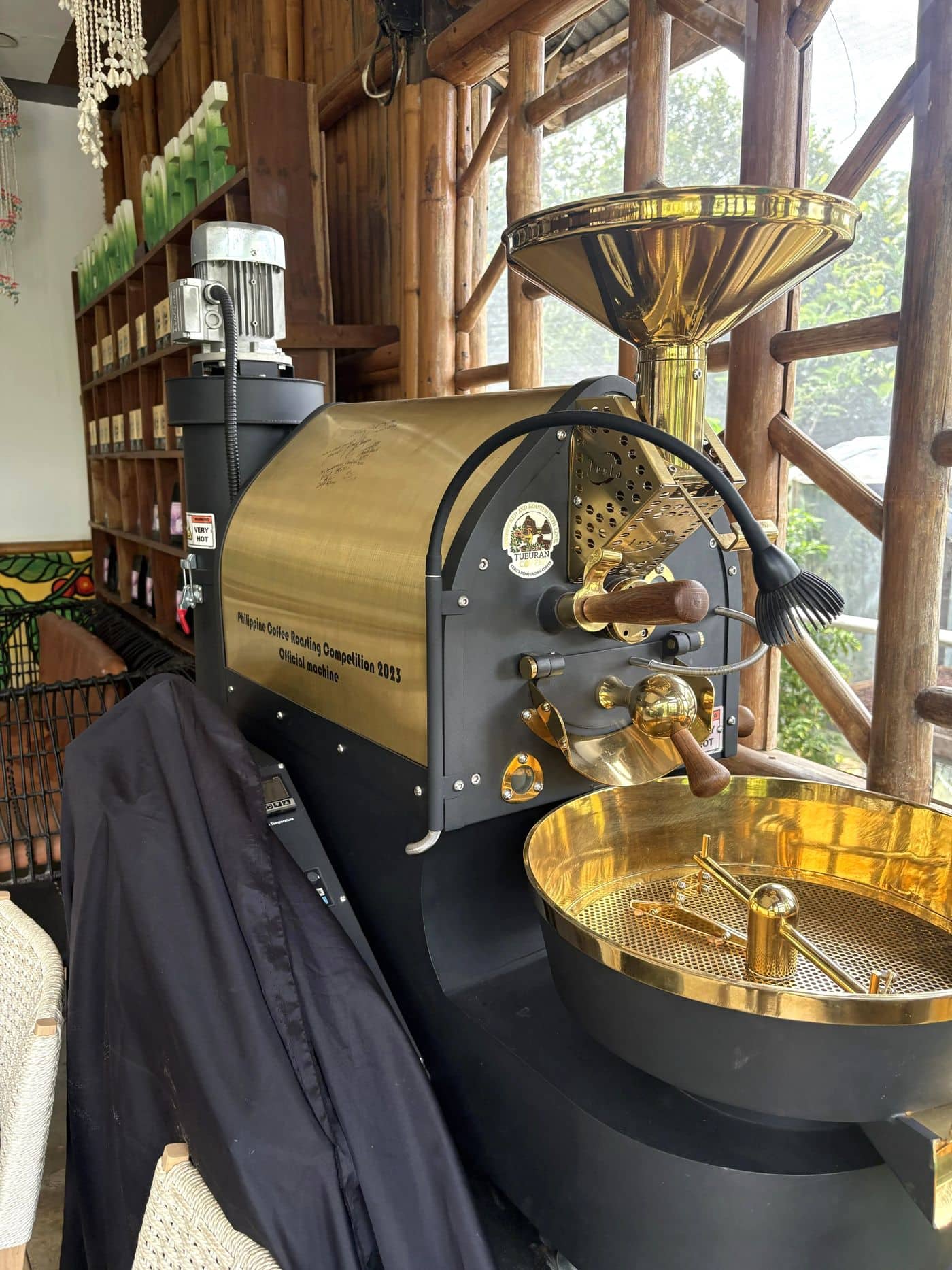
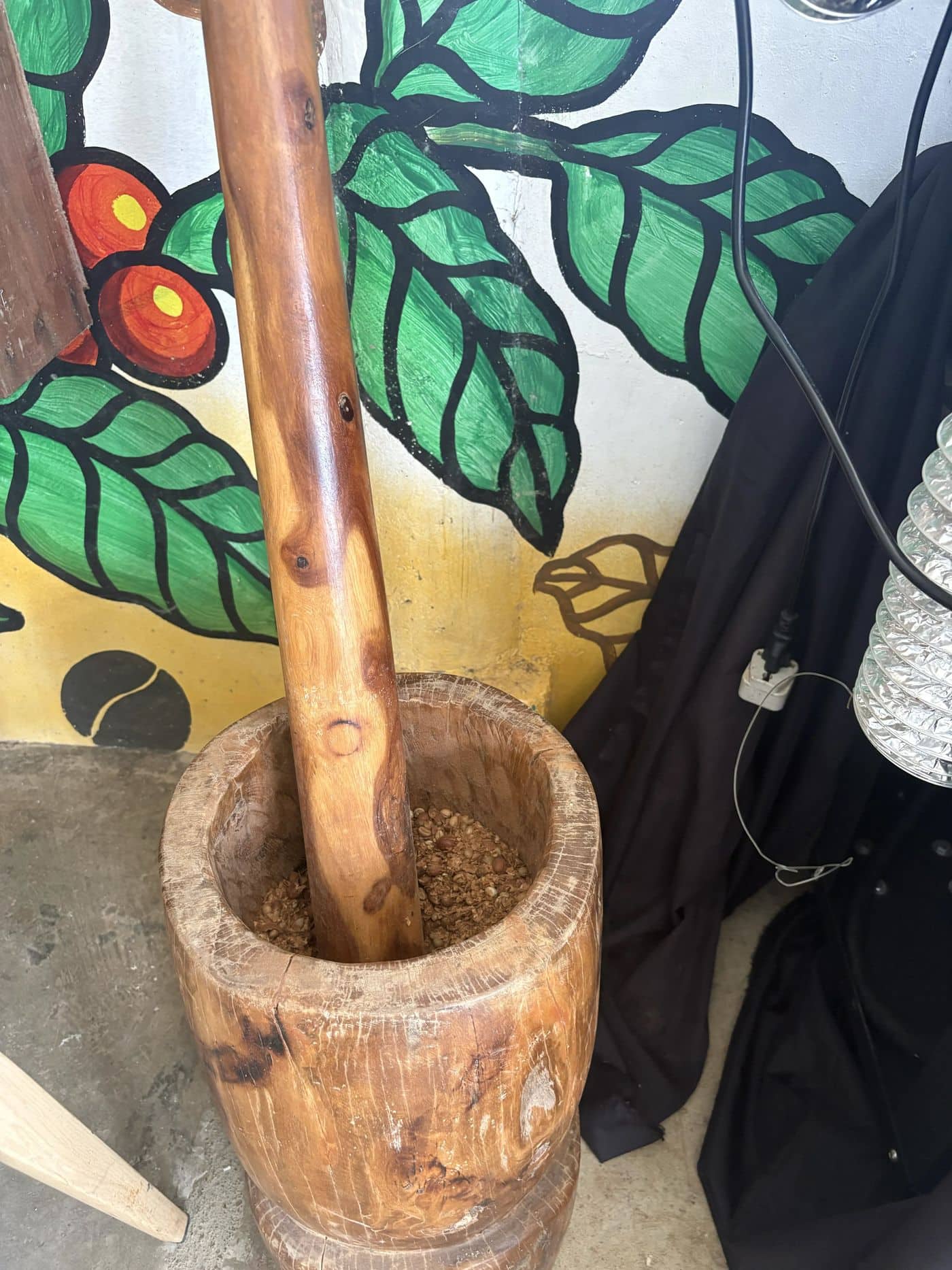
Looking around the room, I saw the farm’s coffee lined up on the wall, available to buy. Next to it stood an eye-catching golden roaster. So cool. Apparently the farm’s owner received it (?) when they entered their beans in a coffee competition. Off to the side, almost hidden, I spotted something like a mortar and pestle. When I asked if it was for pounding rice cakes, I was told it was the tool used long ago to crush coffee beans by hand, before processing was mechanized. Fascinating! It was like a little museum!
Picking Coffee Cherries
When I finished my coffee, they offered to show me around the farm itself.
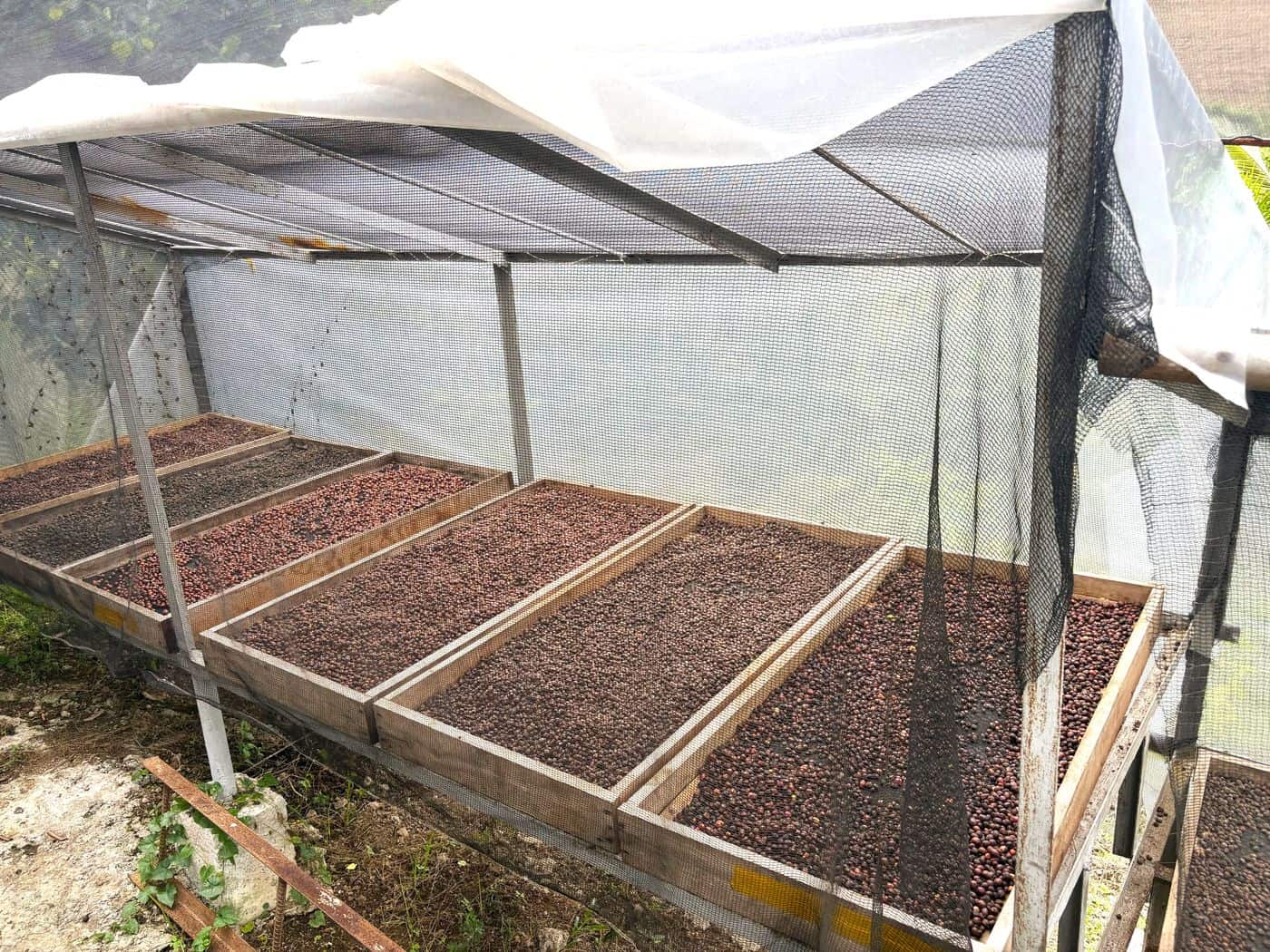
Just outside the hut, coffee was laid out on racks while still in the cherry. Each batch was labeled with the date it was picked, so you could watch the red cherries slowly drying out. Interesting.
Further along, coffee trees had been planted everywhere — but they were all still small. Here you can see how coffee trees are grown up step by step from small cuttings. I’d assumed they planted the seeds and let them sprout, but apparently they cut branches and root them. I learned something new.
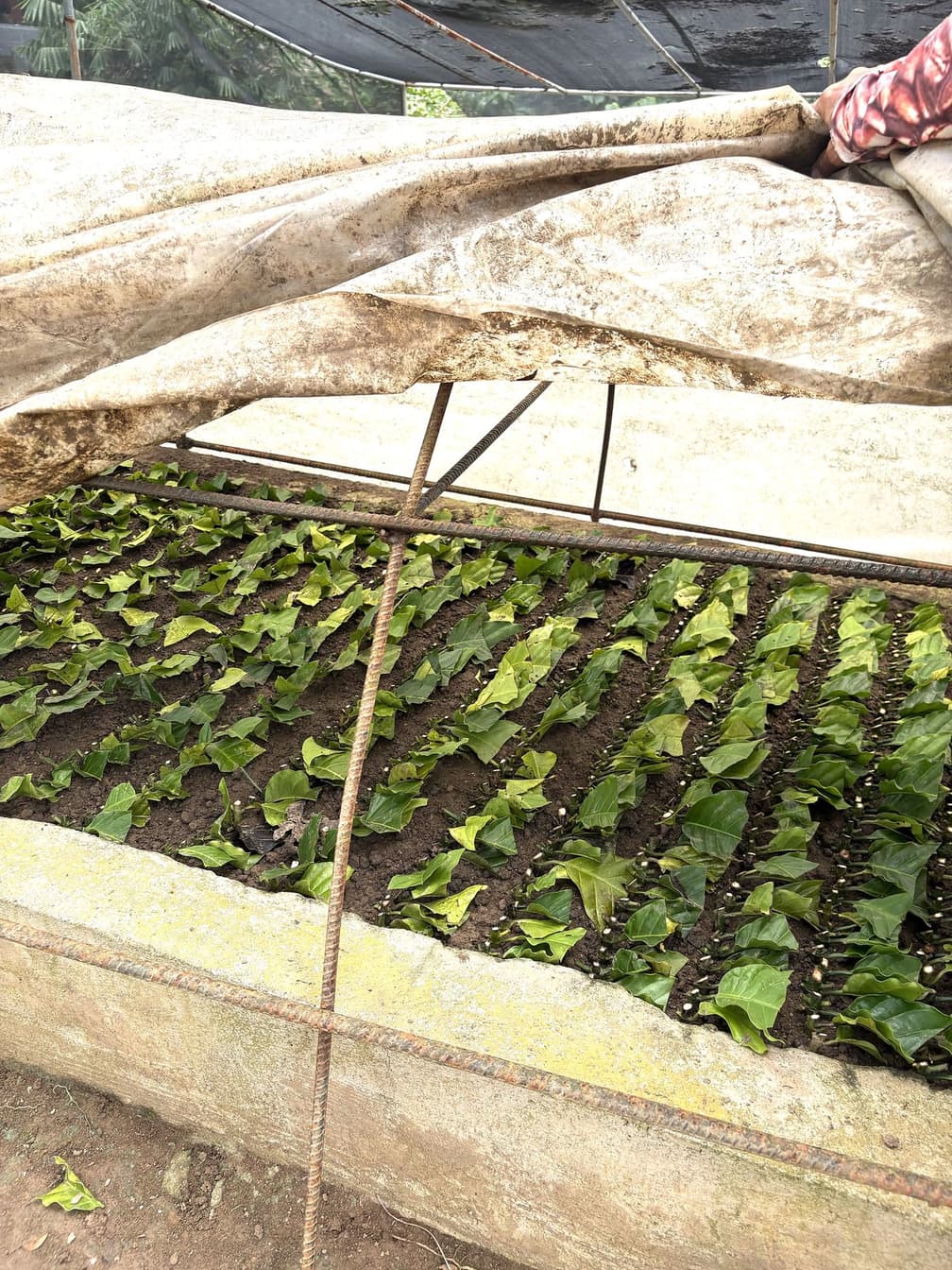
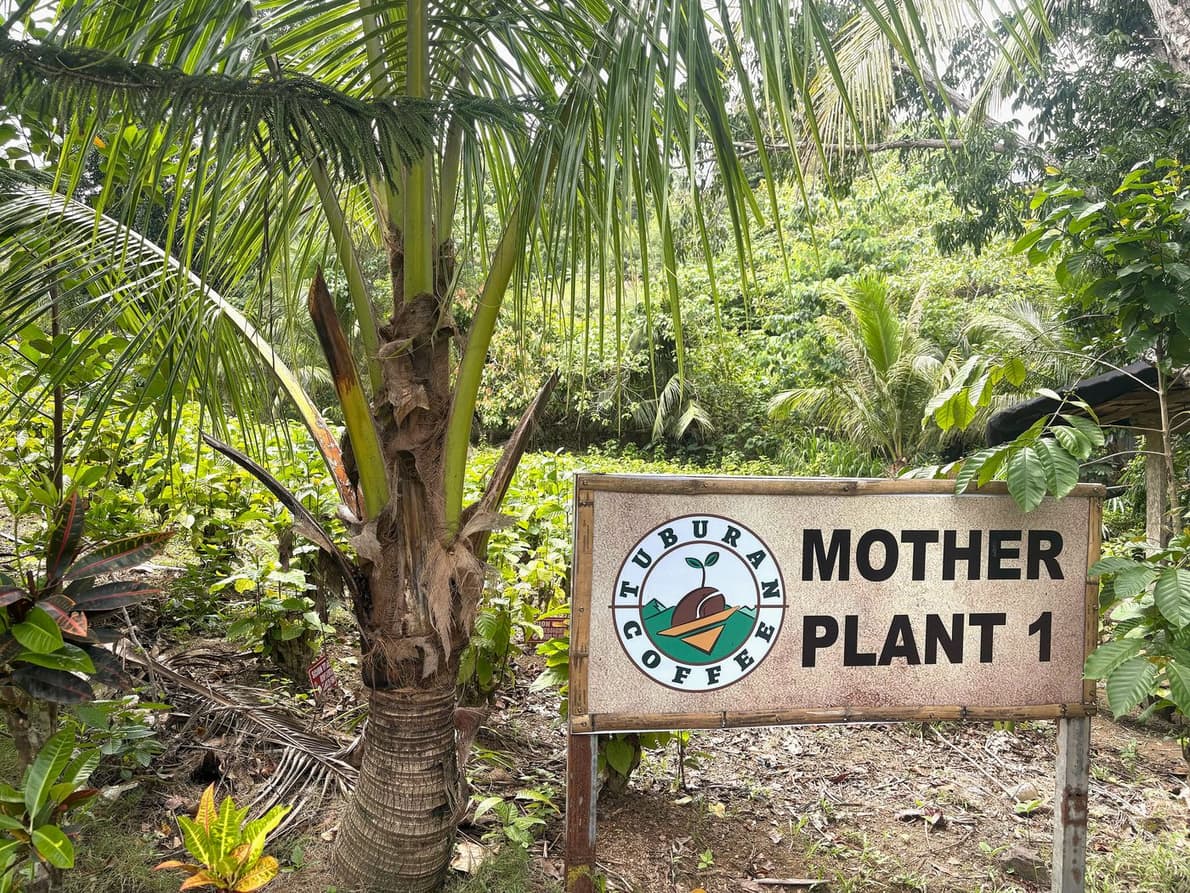
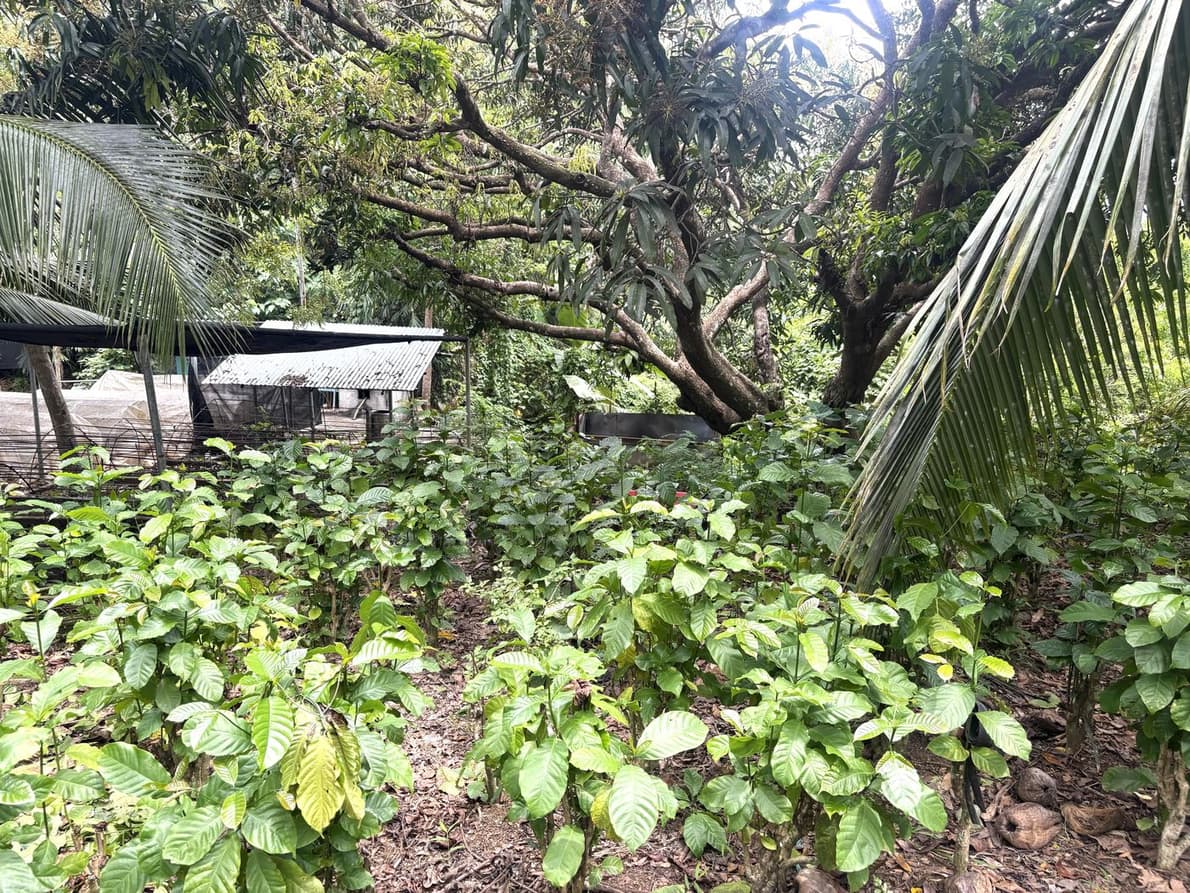
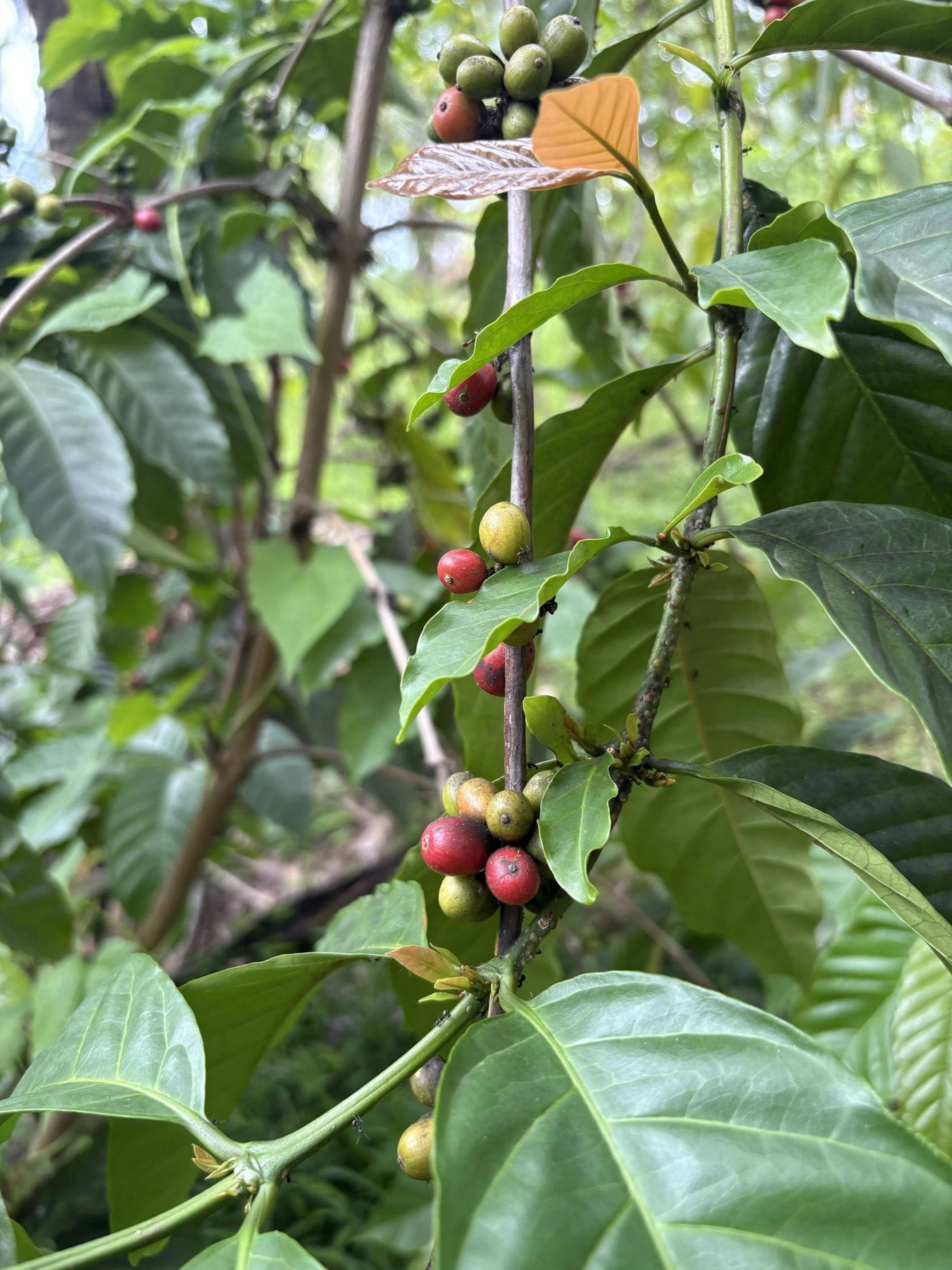
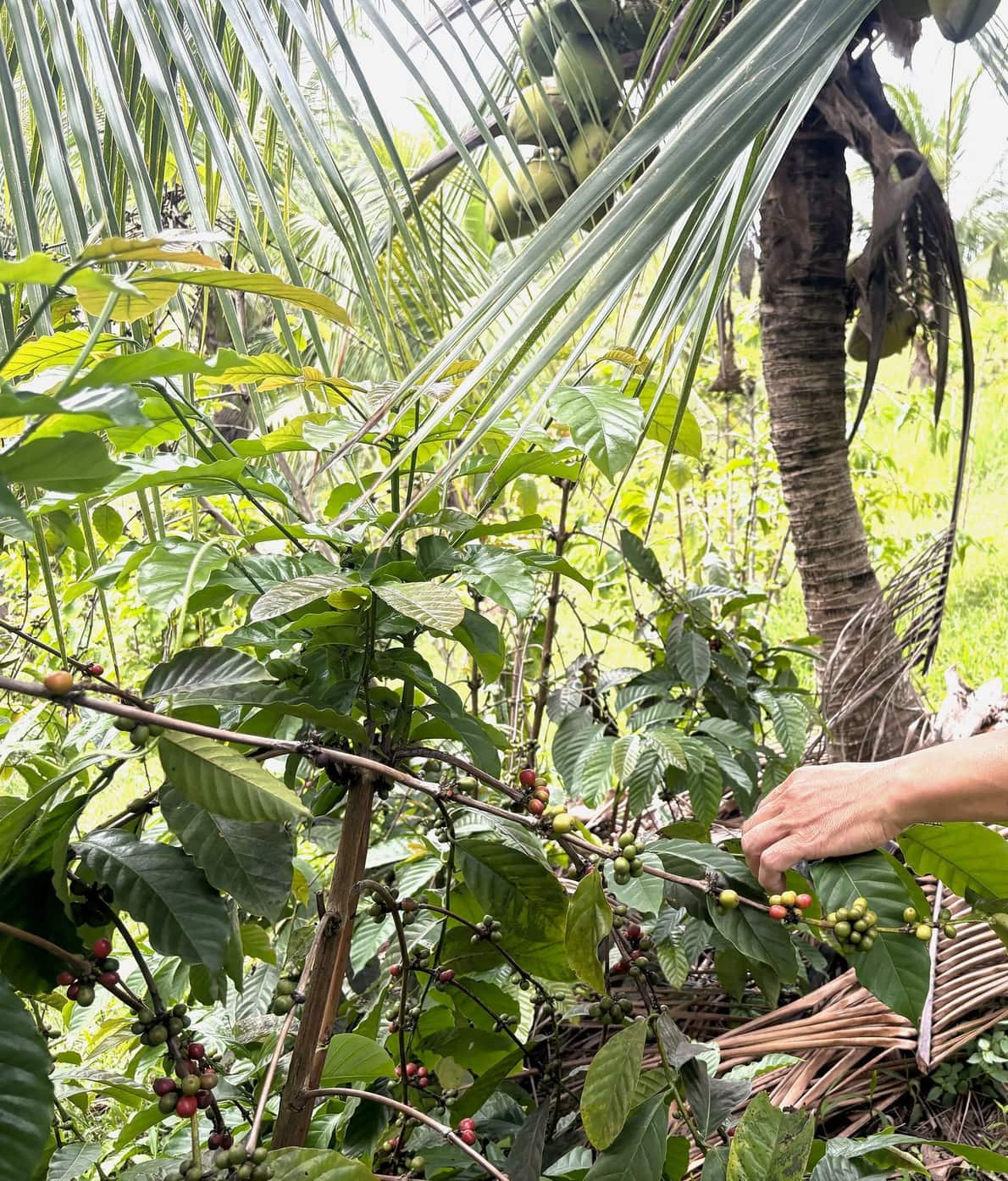
Once they’d shown me how the seedlings are raised, they asked, “Would you like to try picking?” “Yes!” I answered right away. Now it really felt like a field trip! They led me to a corner of the farm and handed me a backpack-style basket, worn on the front so you can drop the cherries in. I asked if there were any tips or things to be careful about. “No. Just put in the red ones.” (lol) Come to think of it, this was the first time I’d ever seen coffee cherries with my own eyes. I started picking. I felt grateful, knowing that each handful picked by these women eventually becomes the coffee I enjoy every day. I kept picking every red cherry I could see. Then it hit me: these are fruit. Can you eat them? When I asked, they said, “Try one. They’re sweet.” I bit into one, and sure enough, it was sweet!
After picking a few dozen, I looked over at the farm staff, who had been watching me without ever telling me to stop. When I said I’d had enough, they asked, “Do you want to take the cherries home?” It was such a kind offer that I took them as a souvenir.
The Ride Home
I bought some coffee beans, said goodbye to everyone at the farm, and headed home. On the way, I caught a sweet, toasty smell. Could it be? I hit the brakes. Bibingka! (See Cebu Street Snacks, Part 1.)
Just as I’d hoped, freshly baked bibingka was for sale out front. I bought some without hesitation — only 10 pesos for this size! When they let me peek inside, they were baking it over a fire fueled with coconut husks. Not wanting to miss it while it was hot, I pulled over at a roadside spot with a nice view and bit into the steaming bibingka. Delicious! A chewy, springy texture, a gently sweet coconut flavor, and the toasty aroma of charred banana leaf. Honestly, it was the best bibingka I’ve ever had! And only 10 pesos! I savored a taste I’ll never get again unless I come back to the farm.
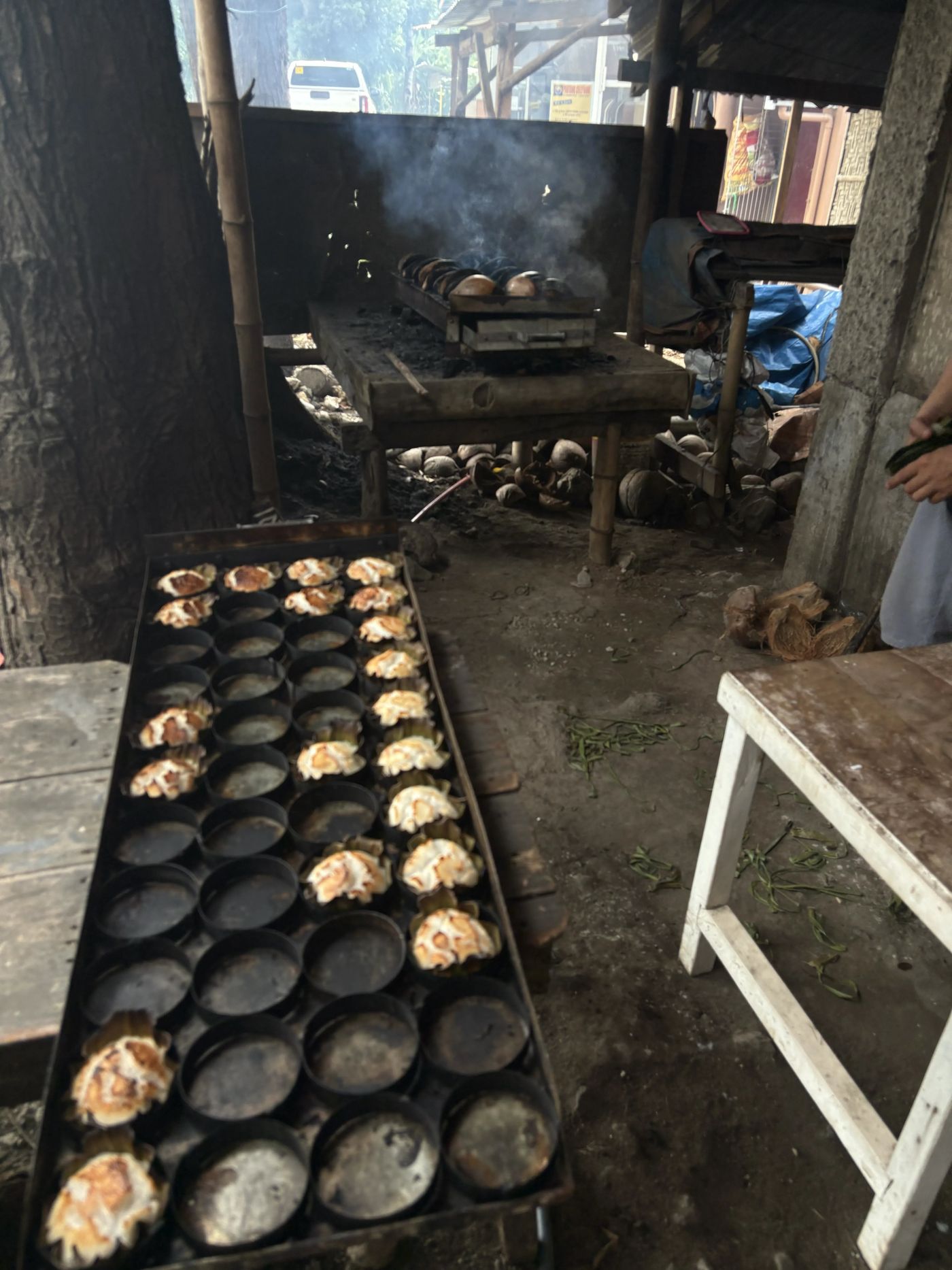
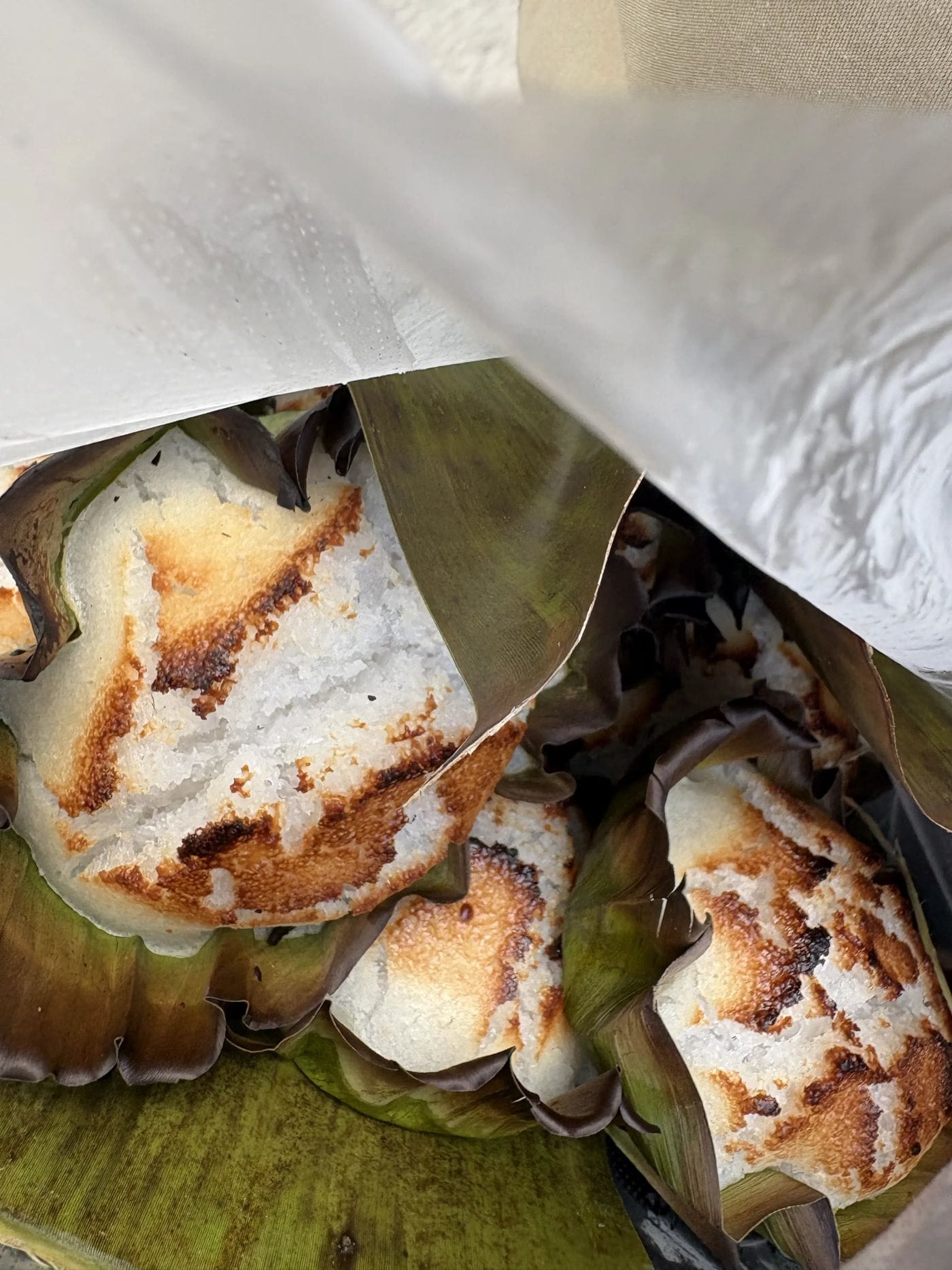
A precious experience on a grown-up field trip, and a delicious bibingka to finish — I headed home completely satisfied with a full, happy day.
The end.