Cebu Kurassic Journal
Learning Bisaya — Part 1
Greetings
What Is Bisaya?
Many people know that the Philippines’ official language is Tagalog. But in Cebu, people don’t speak Tagalog — they speak Bisaya (also called Cebuano).
Bisaya is the collective name for the dialects spoken across the central and southern Philippines. Within that group, Cebuano is the most widely spoken — centered on Cebu Island and used across a large part of Visayas and Mindanao. When people say “Bisaya,” they usually mean Cebuano.
This is not the same as a regional accent. People from Manila literally cannot understand Bisaya at all. I’d been thinking of it as something like the Okinawan dialect in Japan, but it’s closer to a completely separate language.
People in Cebu are impressive in this regard. Many university-educated Filipinos working in offices speak three languages fluently: Bisaya, Tagalog, and English. Trilingual as a baseline.
Cebu is popular for English-language study programs, so English gets you far. But using even a little Bisaya with locals creates an instant connection. My Bisaya is roughly kindergarten level — and yet street vendors and market aunties have started calling me “friend” and treating me like a regular. That’s the power of attempting the local language.
If you’re visiting Cebu, I genuinely encourage you to try a few words. It’s not about fluency — it’s about showing respect for the local culture. That’s the first step to being warmly welcomed.
1. Greetings
Good Morning
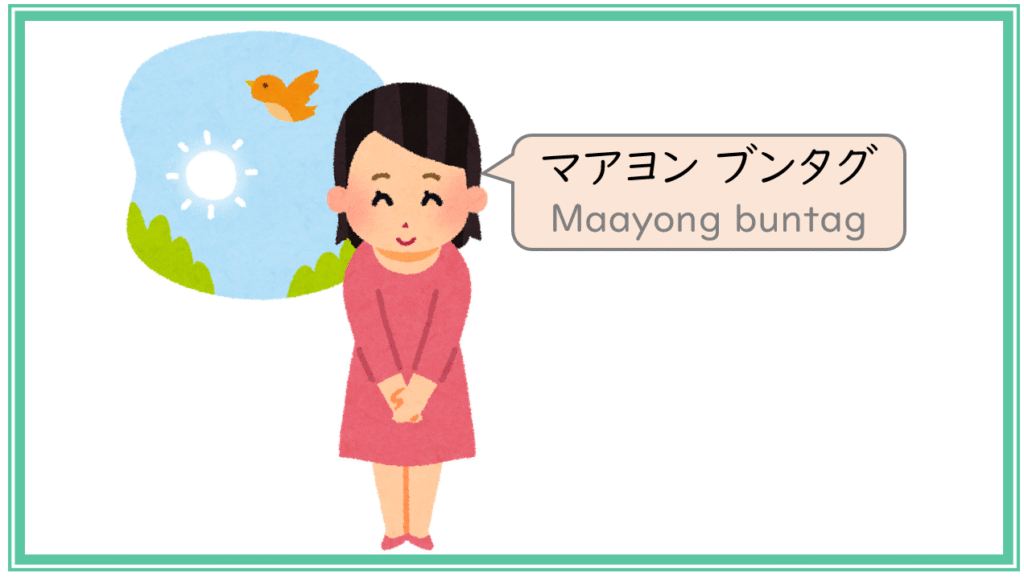
Maayong buntag (mah-AY-ong BOON-tag)
Good Afternoon / Hello
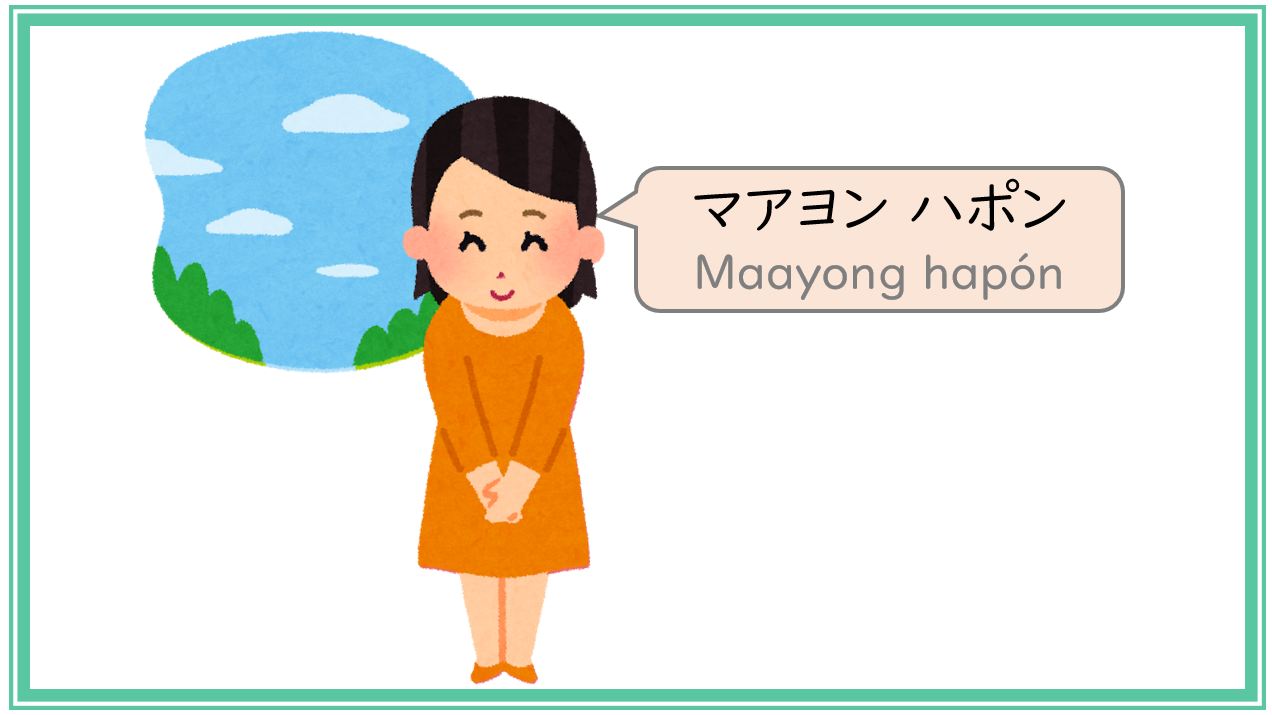
Maayong hapon (mah-AY-ong HAH-pon)
Good Evening
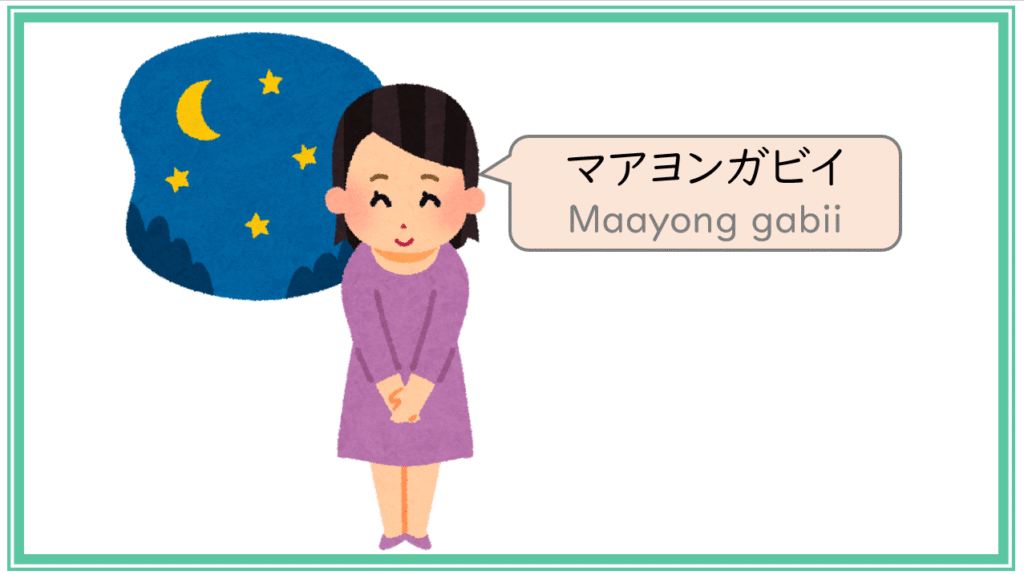
Maayong gabii (mah-AY-ong gah-BEE)
Thank You
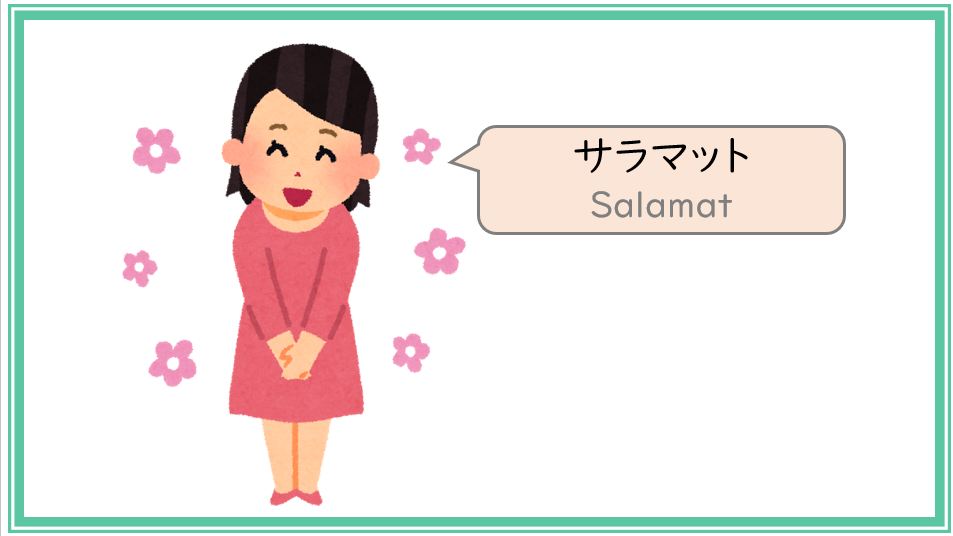
Salamat (sah-LAH-maht)
This one gets used every single day.
Goodbye
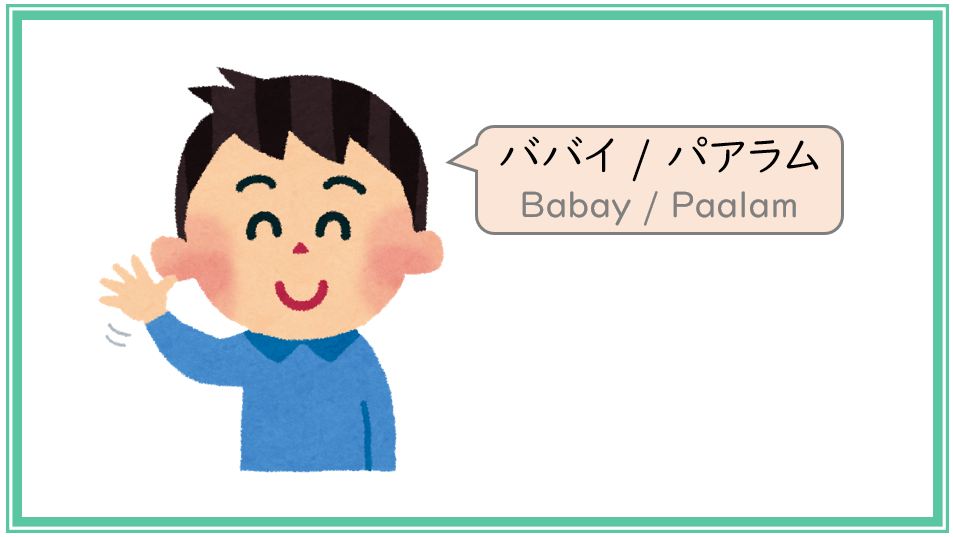
Babay (BAH-bye)
Yes
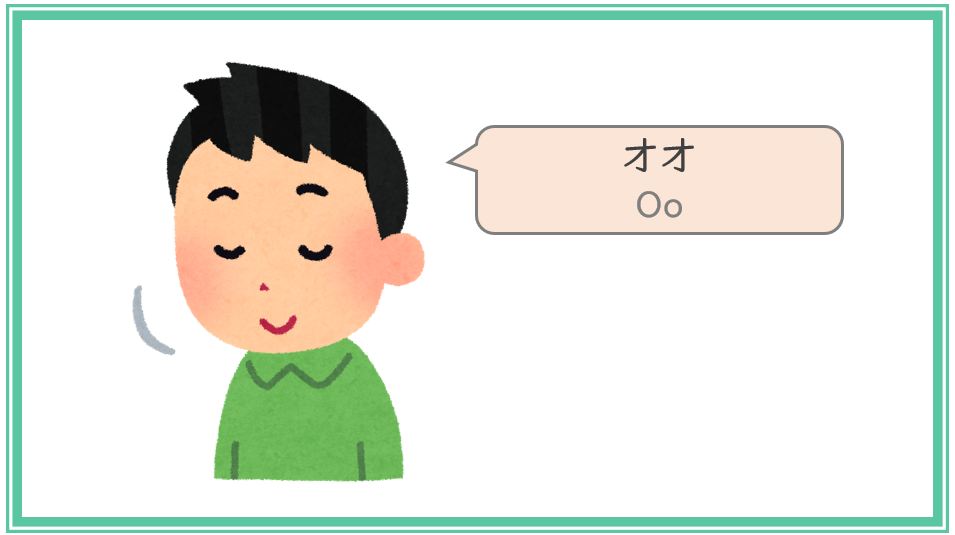
Oo (OH-oh)
No
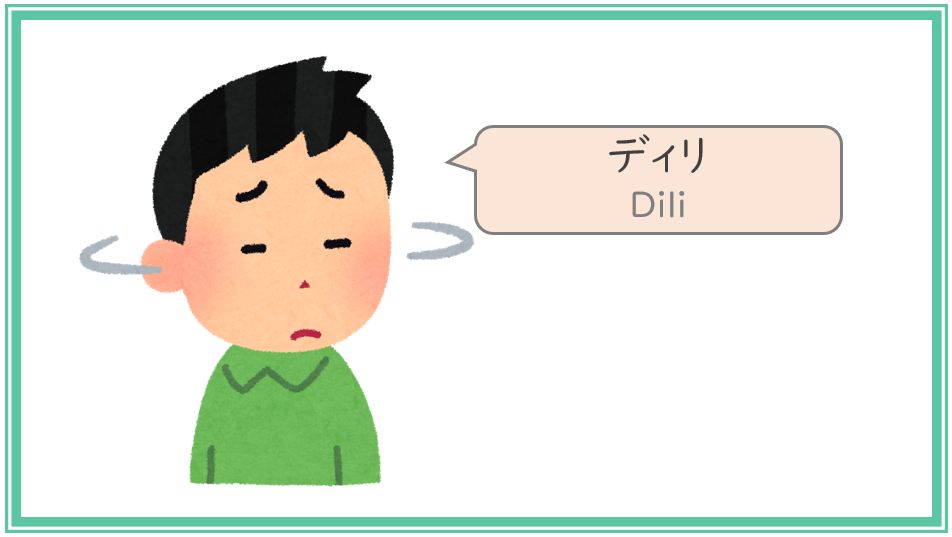
Dili (DEE-lee)
Bonus: The Lunchtime Greeting
A colleague once mentioned — while teaching me greetings — that there’s a special phrase used only between 12pm and 1pm (lunch break). I thought this was wonderful.
Enjoy your lunch break!

Maayong paniudto (mah-AY-ong pah-nee-OOD-toh)
Today’s Key Takeaway
“Maayong” means “good” — you’ll notice it appears in almost every greeting. “Salamat” for thank you is the one word worth memorizing before any trip to Cebu.
Locals already know I’m a foreigner. Most of the time they’ll say “thank you” to me in English. When I immediately reply “salamat,” the reaction is always a surprised, delighted smile. That small moment of connection — it’s one of my favorite things about living here.
Continued in Learning Bisaya Part 2…